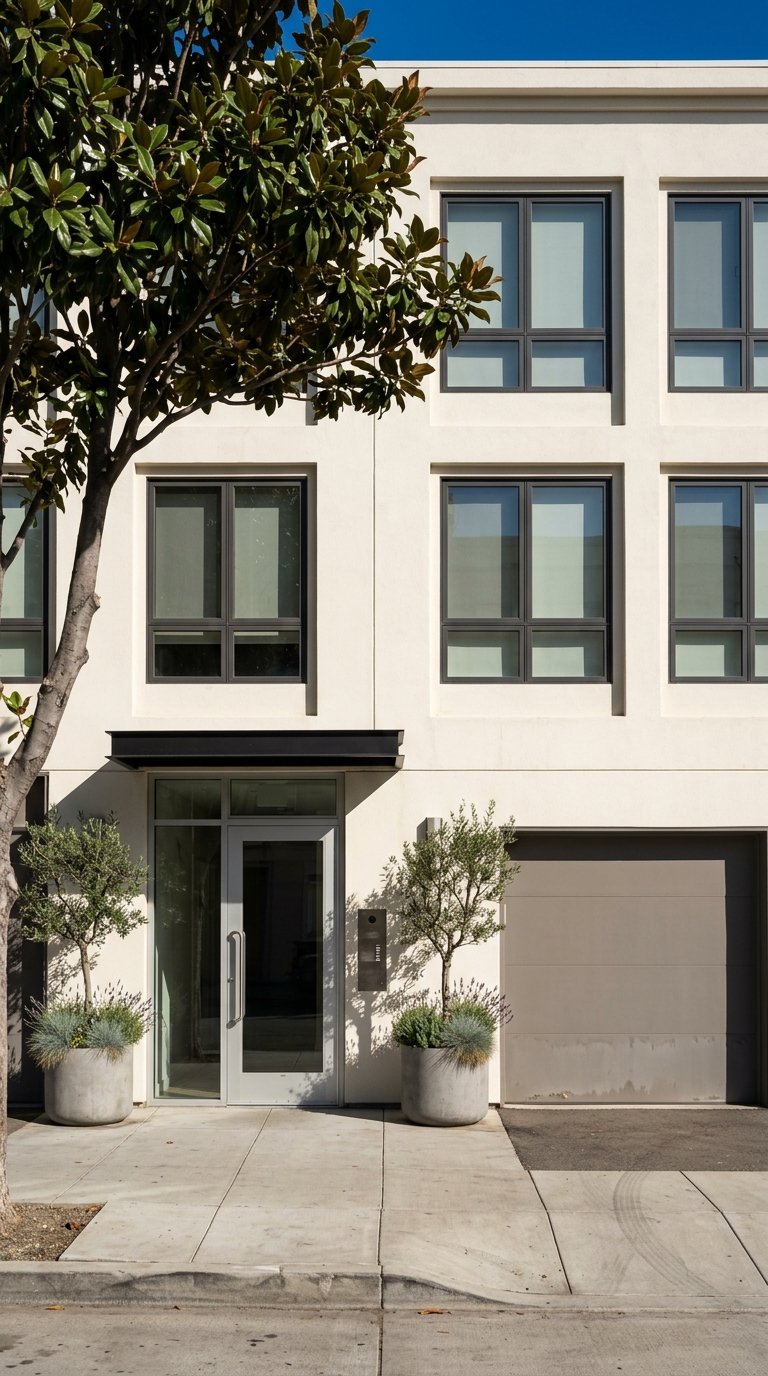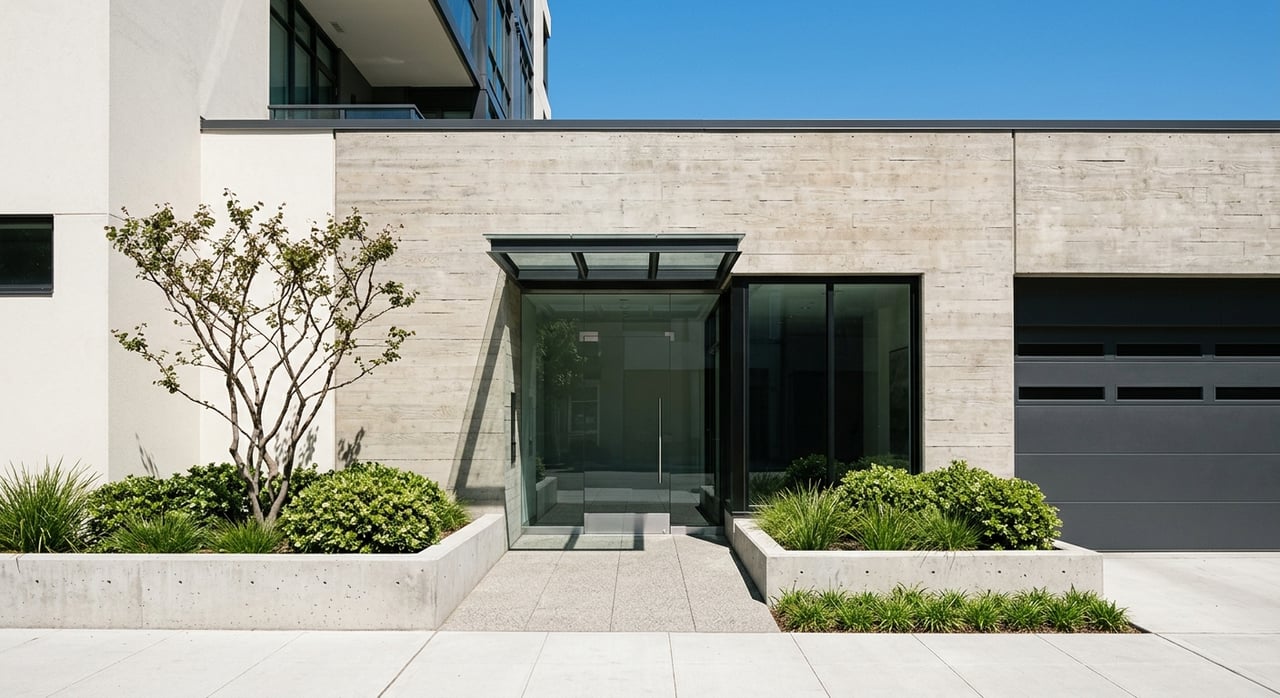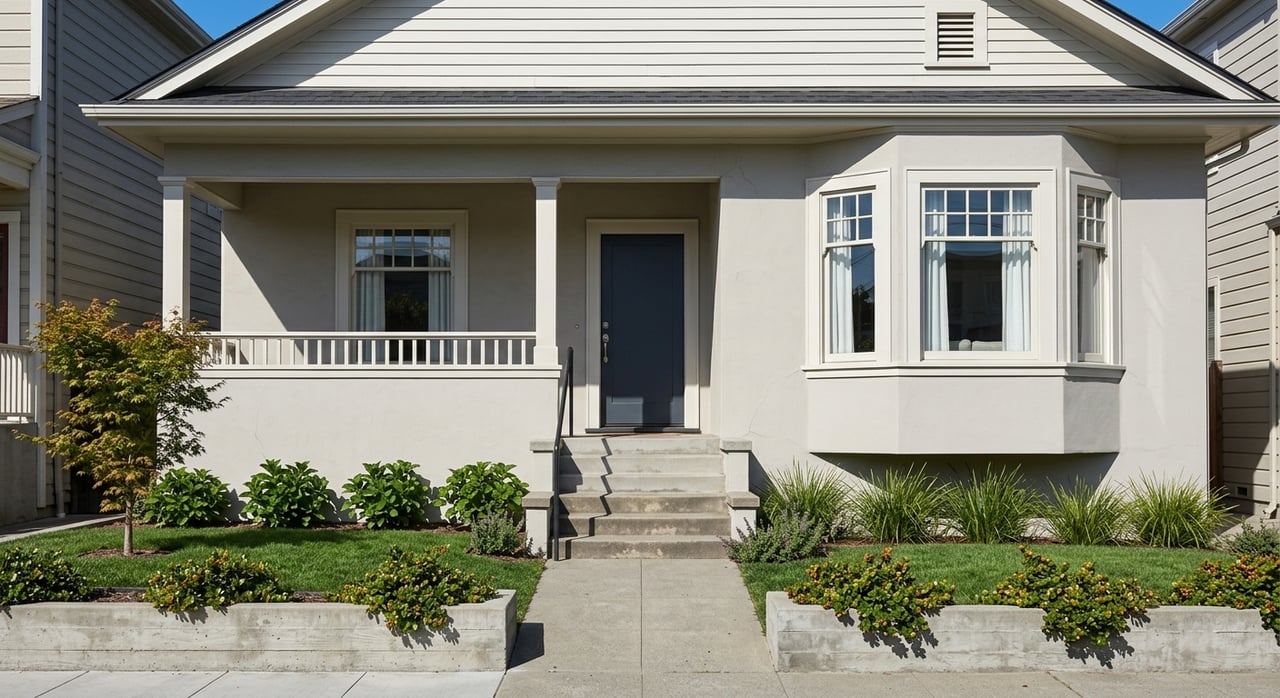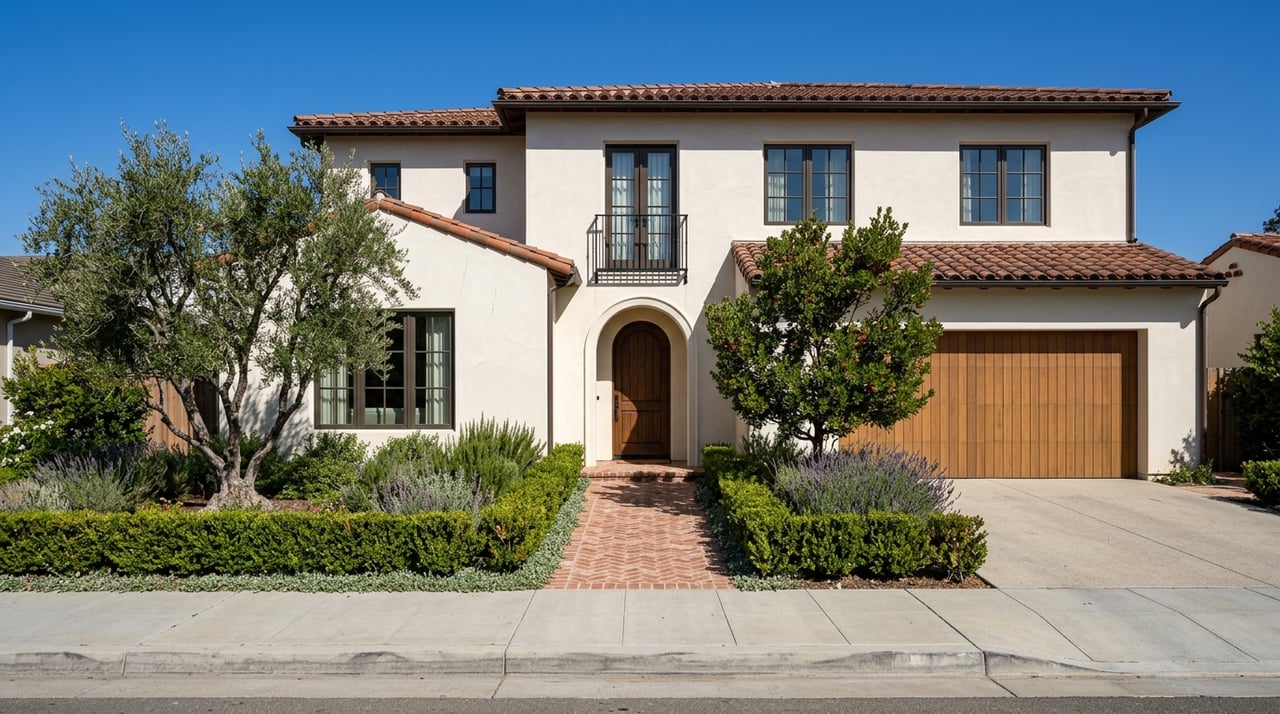
If you are selling a home in West Portal, a generic San Francisco strategy is usually not enough. This neighborhood has its own rhythm, buyer expectations, and pricing quirks, especially because sales volume can be low and one or two closings can skew the numbers fast. In this guide, you’ll get a practical look at how to price, prepare, market, and close a West Portal sale with local context in mind. Let’s dive in.
Why West Portal Needs a Local Strategy
West Portal stands out because it feels more like a village district than a typical urban submarket. San Francisco Planning describes the West Portal Avenue Neighborhood Commercial District as a small commercial corridor designed to serve surrounding single-family neighborhoods, with rules intended to preserve its family-oriented village character.
That matters when you sell. Buyers are often responding to a lifestyle that feels residential, convenient, and connected to daily needs, not just to square footage or finishes alone. Your marketing should reflect that local identity clearly and accurately.
Transit Is a Major Selling Point
West Portal Station is one of the neighborhood’s biggest advantages. SFMTA shows direct K Ingleside, L Taraval, and M Ocean View service at the station, along with nearby bus connections, and the agency noted in 2024 that the station area serves about 50,000 riders per day.
For many buyers, that level of transit access is not a bonus. It is part of the home’s value proposition. If your property offers a convenient route to the station, that should be featured prominently in the listing, showing strategy, and buyer conversations.
Daily Convenience Shapes Buyer Interest
West Portal also benefits from a compact commercial village and nearby recreation options. SF Rec & Park lists West Portal Playground at Ulloa and Lenox with an athletic field, playground, off-leash dog area, picnic area, tennis, and restrooms, while Glen Canyon Park adds trails, playgrounds, tennis, and a recreation center nearby.
SFUSD also lists West Portal Elementary School at 5 Lenox Way in the neighborhood. When referencing nearby amenities like parks, schools, and shopping, the goal is to present factual location context and everyday convenience, not to make broad claims. Buyers often want to understand how a home fits into their routines.
Pricing a West Portal Home Realistically
Pricing is where many sellers can either create momentum or lose it. In West Portal, that decision matters even more because the number of recent sales can be limited, which makes broad headline stats less reliable on their own.
Zillow pegs the average West Portal home value at $1,964,099 as of April 30, 2026, up 12.3% year over year. But that figure is a home-value index, not a direct sale-price measure, so it works best as a broad reference point rather than a final pricing tool.
Redfin’s West Portal neighborhood page shows a March 2026 median sale price of $1,525,000, with only four homes sold that month. It also reports 48 median days on market and a 94.2% sale-to-list ratio for that same month, while its 12-month view still classifies West Portal as most competitive, with homes averaging about 15% above list and going pending in around 21 days.
Why Monthly Numbers Can Mislead
A small sample size can make one month look soft and another look overheated. That is why a serious pricing strategy should be built from the exact property type, block, lot characteristics, condition, and level of updating, not just from a neighborhood median.
Citywide San Francisco data help provide context, but they should not replace local comps. Redfin’s San Francisco page shows an April 2026 median sale price of $1,631,657, 14 median days on market, and a 113.4% sale-to-list ratio, which is useful background but not enough to price a West Portal home accurately.
What Smart Pricing Looks Like
A strong West Portal pricing plan should focus on:
- Recent sales of similar homes nearby
- Differences in condition and updates
- Layout and flexibility of living space
- Parking, light, and outdoor space
- Real-time buyer demand at the moment you launch
This kind of pricing is less about chasing a city trend line and more about positioning your home correctly for the buyers most likely to act.
What West Portal Buyers Notice First
In a neighborhood like West Portal, buyers are often evaluating the full living experience. The planning context suggests that people are drawn to an area that feels residential and convenient, with easy access to errands, transit, and recreation.
That means your listing should help buyers picture daily life. A home near West Portal Avenue, the station, playgrounds, or major recreation assets may benefit from a marketing approach that highlights convenience, functionality, and move-in readiness.
Features Worth Highlighting
The research suggests several home features remain persuasive with buyers in California and San Francisco. Redfin’s statewide trend data indicates buyers respond to eat-in areas, hardwood floors, large backyards, stone or quartz counters, new appliances, separate family rooms, and modern architecture.
Local San Francisco listing patterns also repeatedly highlight parking, natural light, and remodeled kitchens. If your home has any of these strengths, they should be easy to see in photos, staging, and listing copy.
Lifestyle Details That Support a Sale
When preparing your home for market, emphasize features that help buyers connect the property to everyday use, such as:
- Flexible rooms for work, guests, or hobbies
- Comfortable dining or eat-in kitchen space
- Strong natural light during the day
- Functional outdoor areas
- Clean, move-in-ready presentation
- Easy storage or parking, if available
These details often shape buyer perception before they ever compare a spreadsheet of comps.
How to Prepare Before Listing
Most sellers benefit from starting earlier than they think. Zillow’s 2026 timing guidance says many homeowners begin thinking about selling three to four months before listing, and expensive West Coast markets can peak earlier than the national average.
If your timeline is six to eighteen months out, that can be a real advantage. It gives you time to make smart improvements, avoid rushed decisions, and line up a launch window that fits both the market and your personal goals.
Focus on Visible Improvements
Redfin’s spring selling guidance stresses that homes need to look their best and that renovations can be a meaningful investment. In practical terms, that often means starting with visible deferred maintenance, paint, decluttering, and selected updates that improve first impressions.
For many West Portal sellers, the best return comes from polishing what buyers notice right away rather than taking on a major remodel without a clear payoff. The right prep plan depends on your home’s current condition, your budget, and the likely buyer pool.
A Practical Seller Checklist
Before listing, it helps to work through a simple sequence:
- Build a neighborhood-specific comp set based on your block, property type, and condition.
- Complete visible deferred maintenance before photography and showings.
- Declutter and stage to support function, comfort, and move-in readiness.
- Highlight transit convenience and everyday accessibility in the marketing.
- Revisit pricing and timing as your target launch window gets closer.
This type of plan keeps you focused on the improvements that support pricing power and buyer confidence.
Timing Your West Portal Sale
Spring remains the classic home-shopping season because buyers often re-enter the market and many want to settle before the school year. Zillow’s 2026 guidance says late spring has historically produced strong returns nationally, but West Coast timing can shift earlier.
That does not mean every seller should rush to list in the same week. The better approach is to match your home’s readiness with real market conditions, especially in a neighborhood where inventory and sales volume can change the tone quickly.
The Best Time Is When Prep and Pricing Align
A home that launches well prepared and properly priced often has a stronger chance of creating early interest than a home that lists too soon. If you go live before repairs, cleaning, staging, or photography are fully handled, you may undercut your own result.
In West Portal, timing is not only seasonal. It is also about presenting a polished product in a micro-market where buyer expectations can be high.
Closing Costs and San Francisco Logistics
Closing is where local execution matters. San Francisco’s transfer tax applies to transfers of real property, with rates that vary based on the purchase price or fair market value.
According to the San Francisco Assessor-Recorder factsheet, deeds transferring ownership must be accompanied by a Preliminary Change of Ownership Report and a Transfer Tax Affidavit. Common exemptions can include transfers between spouses or domestic partners, gifts, inheritances, and some title-only changes.
Why Closing Prep Matters Early
These costs and forms should not be an afterthought. Building them into your plan early can help you avoid surprises and give you a more accurate net sheet before you go to market.
For sellers, this is where hands-on guidance can make the process smoother. Clear expectations around pricing, negotiation, and closing logistics help you stay organized from list date to final signing.
Selling West Portal With More Confidence
Selling in West Portal is not just about putting a home on the market. It is about understanding how buyers see this neighborhood, how limited sales data can affect pricing, and how presentation influences the final result.
A strong strategy usually comes down to a few fundamentals: neighborhood-specific comps, focused preparation, realistic pricing, and a clean path through San Francisco closing requirements. When those pieces work together, you put yourself in a better position to attract serious buyers and protect your outcome.
If you’re thinking about selling and want a practical plan built around your home, your timing, and your West Portal micro-market, schedule a free consultation with Russell Pofsky.
FAQs
What makes selling a home in West Portal different from other San Francisco neighborhoods?
- West Portal has a distinct village-style commercial core, strong transit access, and relatively low sales volume, so pricing and marketing usually need a more neighborhood-specific approach.
How should you price a home in West Portal, San Francisco?
- You should price it using recent comparable sales from similar homes nearby, with close attention to block, condition, layout, and features like parking, light, and outdoor space.
What features help a West Portal home stand out to buyers?
- Buyers often notice transit access, natural light, updated kitchens, parking, flexible living areas, hardwood floors, and functional outdoor space.
When is the best time to sell a home in West Portal?
- Spring is often a strong season, but the better answer is when your home is fully prepared and pricing is aligned with current neighborhood conditions.
What closing costs should West Portal sellers plan for in San Francisco?
- Sellers should budget for San Francisco transfer tax and the required recording documents, including a Preliminary Change of Ownership Report and Transfer Tax Affidavit when ownership is transferred.