Thinking about buying a condo in San Francisco’s Marina District? You are not alone. The Marina has a strong pull for buyers who want a walkable, low-rise neighborhood with easy access to the waterfront, parks, and busy commercial streets. If you are considering a purchase here, it helps to know that Marina condos often come with older buildings, more HOA variation, and real tradeoffs around parking, storage, and monthly cost. Let’s dive in.
Why Marina condos feel different
The Marina is not a typical high-rise condo market. According to San Francisco Planning, it is a mostly residential neighborhood with flats, apartment buildings, and single-family dwellings, with commercial activity centered along corridors like Chestnut and Lombard.
That matters because your condo search here will often look very different from a search in newer parts of San Francisco. Instead of polished amenity towers, you are more likely to see low-rise buildings from the 1920s and 1930s, plus small multi-family properties and some larger corner-lot apartment buildings.
What building age means for buyers
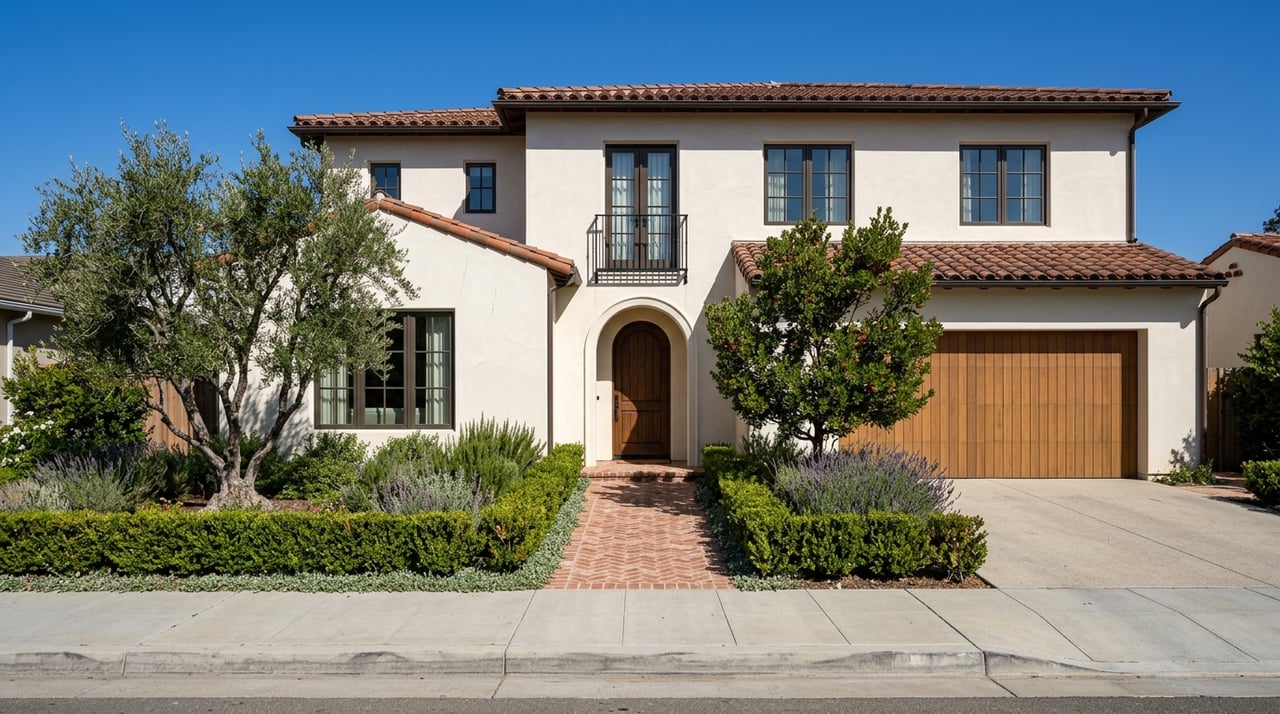
Many Marina condos are in older low-rise buildings with period architecture such as Spanish Revival, Mediterranean Revival, and related styles. These homes can offer charm and character, but they also tend to vary more from one listing to the next.
In practical terms, that means you should expect differences in floor plans, closet space, parking setups, storage areas, and renovation quality. Two condos with similar square footage can feel very different depending on how the building was originally designed and how the unit has been updated over time.
Ask what kind of condo project it is
One of the most useful questions you can ask is whether the building is a true condo project, a conversion, or a later infill building. That distinction can shape how the HOA operates, how well the common areas are maintained, and how much consistency you will see in the property.
The California Department of Real Estate notes that conversion properties can have higher maintenance and repair needs because hidden systems may need rehabilitation or updating. In an older neighborhood like the Marina, that is not a small detail. It can affect both your ownership costs and your future resale experience.
HOA documents matter more here
In the Marina, the HOA package is not just paperwork. It is one of the clearest ways to understand whether a condo is financially sound and whether the building is being maintained in a steady, responsible way.
California law requires HOAs to levy regular and special assessments sufficient to perform their obligations. The board generally may not raise a regular assessment by more than 20 percent over the prior year or impose special assessments above 5 percent of budgeted gross expenses for the fiscal year without member approval, unless an emergency situation applies.
That does not mean dues are fixed. It means you should review the numbers closely and understand whether current dues are keeping up with the building’s actual needs.
What to review in the HOA package
The annual budget report includes a summary of reserves and the reserve funding plan, and the full reserve study is available on request. Buyers should also remember that HOA membership is automatic in a common interest development, and owners are bound by the governing documents such as the CC&Rs.
A strong disclosure review should include:
- governing documents
- current monthly assessments and any unpaid balances
- the latest annual budget and reserve materials
- pending assessment changes
- unresolved violation notices
- defect-related documents
- rental restrictions, if any
- board minutes, if requested
- the most recent exterior elevated element inspection report
California law also requires associations to provide requested disclosure documents within 10 days of a written request, with only a reasonable actual-cost fee.
Reserve strength is a big deal in older buildings
Older Marina buildings often need ongoing work, even when they look well-kept from the outside. Reserve planning is especially important because roofs, waterproofing, balconies, and shared systems can become expensive if maintenance has been delayed.
Under California law, boards must conduct a reserve study visual inspection at least once every three years. The reserve summary must show estimated replacement cost, remaining useful life, reserve balances, and any funding deficiency.
Condominium projects must also have inspections of balconies and other exterior elevated elements at least once every nine years, along with a written report on condition and any immediate safety threat. For a buyer, that makes the reserve study and inspection reports essential reading, not optional reading.
Parking can change your daily experience
Parking is one of the most important Marina-specific issues to evaluate before you buy. SFMTA materials for the Marina and Greater Union Street area describe high residential parking demand, with surveyed block occupancy ranging from 85 percent to 100 percent.
That level of demand is tied in part to nearby shopping and destination areas such as Chestnut Street, Union Street, Fillmore Street, Lombard Street, the Presidio, and the Palace of Fine Arts. In simple terms, finding street parking can be a real source of daily friction.
Why deeded parking can carry extra value
A deeded or clearly assigned parking space can make a major difference in how convenient the condo feels. In a neighborhood where on-street parking is tight, parking is not just a bonus feature. It can affect how often you use your car, how long errands take, and how attractive the unit may be to future buyers.
If a unit does not come with on-site parking, make sure you understand the exact alternative. Is parking rented, shared, off-site, or entirely dependent on the street? You want a clear answer before you remove contingencies.
What a residential parking permit does and does not do
SFMTA’s current Residential Parking Permit rules say a resident permit exempts your vehicle from posted time limits in the permit area. It does not exempt you from the 72-hour rule, meter payment on non-exempt blocks, or color-curb restrictions.
The current annual resident permit fee is $215, and most households can hold up to four annual permits, subject to area exceptions. A permit can help, but it is not the same as having a dedicated space.
Storage is more important than it sounds
In Marina condos, storage can have a bigger impact on livability than many buyers expect. Older low-rise buildings do not always offer the clean, predictable storage setups you might see in newer developments.
That means you should confirm whether storage is private, shared, or absent. A unit with limited closet space may still work well if it includes secure extra storage, while a beautifully finished condo without storage can feel tighter over time than you expected.
Compare condos by all-in monthly cost
One of the smartest ways to compare Marina condos is to look beyond the list price. A more useful test is the all-in monthly cost.
That means evaluating:
- mortgage payment
- property taxes
- HOA dues
- parking cost, if any
- storage cost, if any
- insurance costs
- the possibility of future special assessments
This approach helps you compare buildings more fairly. A lower-priced unit with weak reserves, no parking, and rising dues may not be the better value when you look at the full picture.
Insurance and building risk deserve attention
California law requires the HOA annual budget report to summarize insurance coverage, including property, general liability, earthquake, flood, and fidelity insurance. That is especially relevant in the Marina.
The U.S. Geological Survey has noted that liquefaction during the 1989 Loma Prieta earthquake caused major ground failure in the Marina district. For buyers, that does not mean every building is a problem. It means insurance and building condition should be reviewed carefully rather than treated as background details.
Financing flexibility can affect resale later
If you may use FHA or VA financing, or if you want to preserve a broader resale pool in the future, the project’s approval status matters. California law requires the annual budget report to disclose FHA and VA project status when applicable.
Even if you are using a different loan type today, financing flexibility can affect who may be able to buy your condo later. This is one more reason to treat the HOA document review as part of your financial analysis, not just a legal formality.
A practical Marina condo checklist
As you compare listings, keep a simple checklist in mind:
- confirm whether parking is deeded, assigned, rented, or off-site
- confirm whether storage is private, shared, or not included
- review the HOA dues history
- ask whether any increase has been approved or is expected
- review the latest reserve study and reserve balance
- ask about pending special assessments
- ask about roofing, waterproofing, balcony, or other major building work
- review the insurance summary
- confirm FHA or VA approval status if relevant to your financing goals
The right Marina condo is about fit
The Marina can be a strong match if you want classic San Francisco low-rise living, access to the waterfront and nearby parks, and a neighborhood with active commercial corridors. But the right purchase is usually not just about the prettiest kitchen or the best staging.
It is about whether the building’s HOA, reserve profile, parking setup, storage situation, and total monthly cost fit your lifestyle and budget. In the Marina, that extra diligence is often what separates a good-looking condo from a smart long-term buy.
If you want help comparing Marina condos, reviewing HOA details, or pressure-testing the real monthly cost before you write an offer, Russell Pofsky can help you approach the search with clear local guidance and practical deal insight.
FAQs
What should you know about older condo buildings in the Marina District?
- Many Marina condos are in 1920s and 1930s low-rise buildings, so you should expect more variation in layout, storage, parking, and renovation history than in newer construction.
What HOA documents should you review before buying a Marina condo?
- You should review the governing documents, budget, reserve summary, reserve study, assessment information, pending assessment changes, violation notices, defect documents, rental restrictions if any, board minutes if requested, and the latest exterior elevated element inspection report.
Why is parking such a big issue for Marina District condo buyers?
- SFMTA reports high parking demand in the area, so a deeded or clearly assigned parking space can make daily life easier and may also support future resale appeal.
How important is storage in a Marina District condo?
- Storage can meaningfully affect how usable a condo feels, especially in older low-rise buildings where closets and utility space may be limited.
Why do reserves matter when buying a Marina condo?
- Reserve strength helps show whether the HOA is planning for future repairs and replacements, which is especially important in older buildings where deferred maintenance can lead to higher costs later.
What is the best way to compare Marina District condos financially?
- A practical approach is to compare the all-in monthly cost, including mortgage, taxes, HOA dues, parking, storage, insurance, and the risk of future special assessments.