Buying a condo in Mission Bay or Dogpatch can look simple on the surface, but the details matter fast. Two listings with similar prices can come with very different HOA structures, taxes, parking setups, and long-term costs. If you want to compare these neighborhoods the right way, this guide will help you focus on the numbers, the lifestyle fit, and the key questions to ask before you write an offer. Let’s dive in.
Mission Bay vs. Dogpatch at a glance
Mission Bay and Dogpatch sit close to each other, but they offer very different condo experiences. Mission Bay is a large waterfront redevelopment area built around mixed-use planning, transit access, parks, and newer residential construction. Dogpatch is a smaller, older neighborhood with a more historic residential pattern, a local commercial core around 22nd Street, and a lower-scale streetscape.
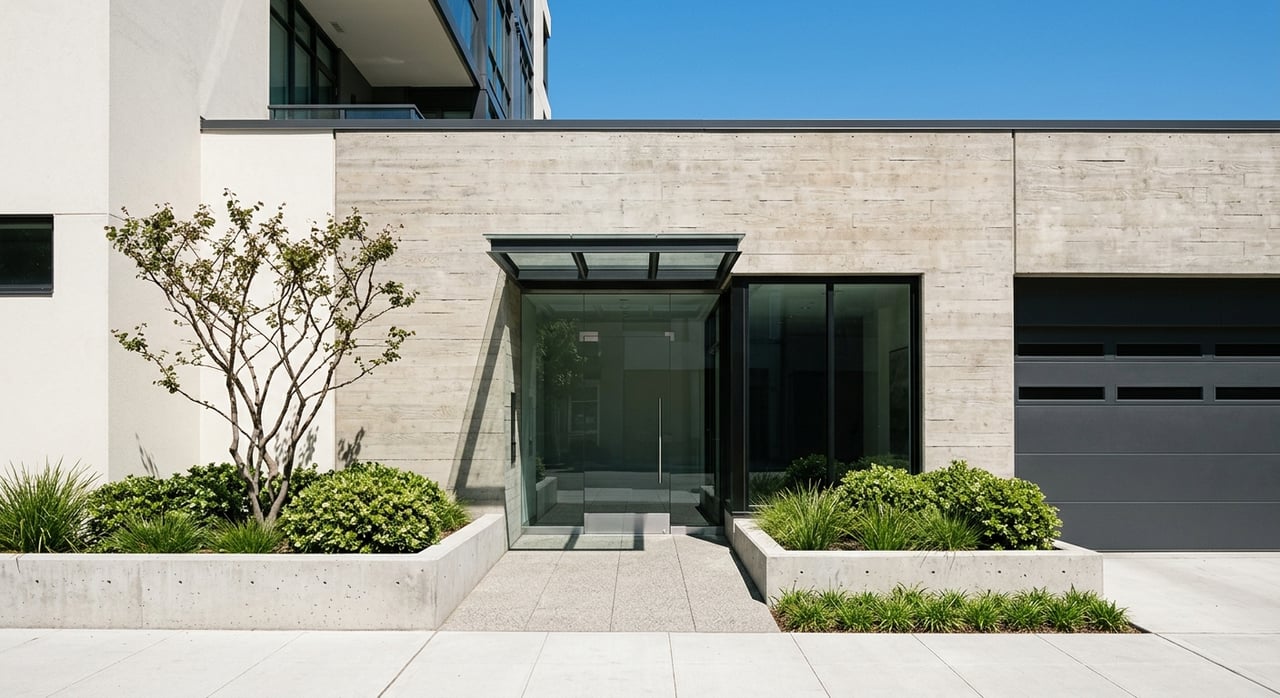
For many buyers, the choice comes down to what kind of daily life you want. Mission Bay often appeals if you want newer buildings, more shared amenities, and a master-planned feel. Dogpatch often appeals if you prefer a more intimate neighborhood setting with a mix of older buildings, loft-style homes, and smaller condo projects.
Mission Bay condo living
Mission Bay spans about 303 acres between San Francisco Bay and Interstate 280. It was planned as a mixed-use, transit-oriented district, with residential, retail, office, hotel, and institutional uses all part of the larger neighborhood framework. Major landmarks in the area include UCSF, the Chase Center, and the retail spine along 4th Street.
From a buyer’s perspective, Mission Bay often feels more uniform and more recent in its development. Many condo buildings are mid-rise or low-rise multifamily properties, and the neighborhood’s public spaces are a major part of the appeal. You are not just buying a unit here. You are also buying into a district with extensive shared infrastructure and waterfront-oriented open space.
Parks and public amenities in Mission Bay
Mission Bay has more than 24 acres of public parks, including lawns, plazas, esplanades, dog play areas, and waterfront access points. Public spaces in the area include Mission Bay Commons, Mariposa Park, Channel Street Dog Park, Bayfront Park, and China Basin Park. These amenities can make the neighborhood especially attractive if outdoor access is high on your list.
That said, public amenities do not always tell you what your building itself offers. Some buildings include rooftop decks, community rooms, package rooms, meeting spaces, bike rooms, or outdoor terraces, while others may offer a more basic setup. It is important to separate neighborhood amenities from building-specific amenities when you compare monthly costs.
Parking and storage in Mission Bay
Mission Bay buyers should pay close attention to parking and storage. Recent project examples in the neighborhood suggest that parking ratios can be modest, while bicycle storage and shared-use spaces are more common. In practical terms, that means you should verify whether parking is deeded, assigned, leased separately, or not included at all.
Storage can be just as important. Some buildings may offer bike rooms, package areas, or limited shared storage instead of large private lockers. Before you remove contingencies, confirm exactly what rights come with the unit and what appears in the disclosure package.
Dogpatch condo living
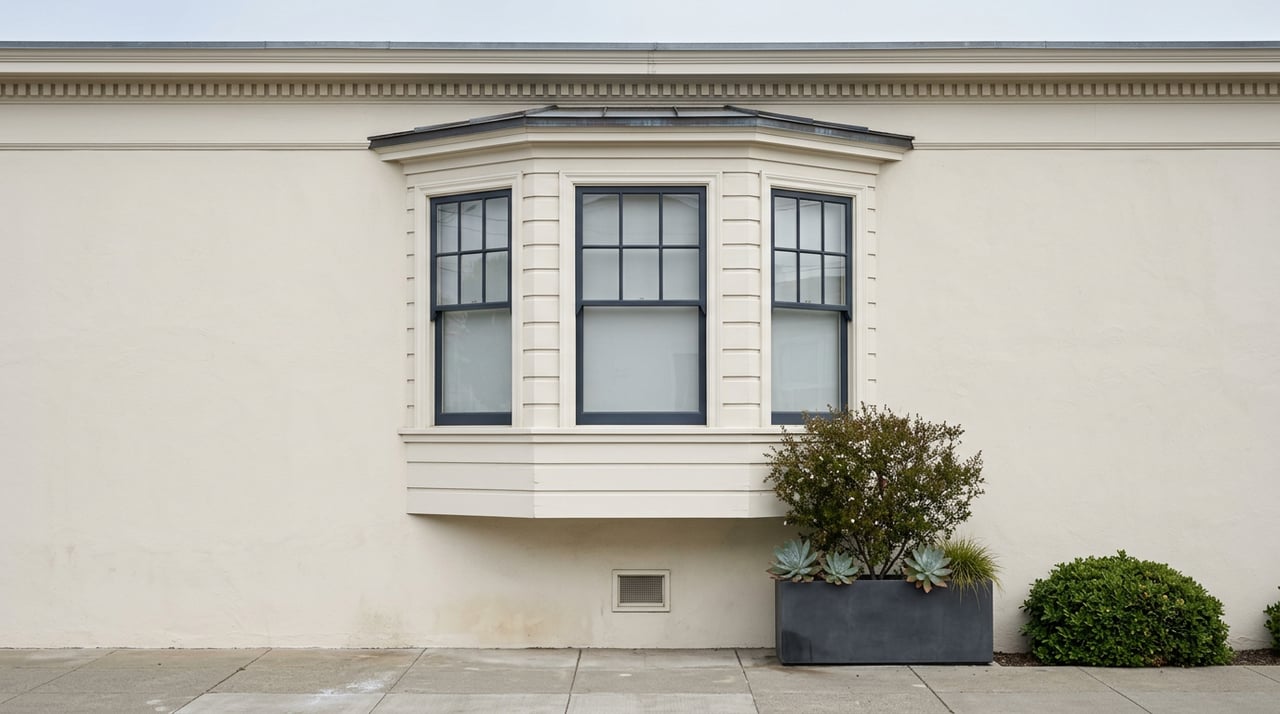
Dogpatch offers a different rhythm. San Francisco planning documents describe it as a fine-grained, historic residential enclave dating to the 1880s, with many buildings on 25-foot-wide lots and a pattern of Victorian and Edwardian row buildings on streets like Minnesota and Tennessee. The neighborhood also has a local commercial center around 22nd Street.
For condo buyers, Dogpatch often feels more neighborhood-scaled and less master-planned. You may find smaller condo buildings, conversions, lofts, and infill projects rather than large developments with extensive amenity packages. That can be a plus if you want a setting that feels more personal and less structured by district-wide systems.
What the built environment means for buyers
Dogpatch’s smaller scale often shapes the ownership experience. Because the neighborhood developed in a more traditional pattern, many condo properties are tied to building-level HOAs or smaller associations rather than a broad master-association model. That does not automatically mean lower costs, but it can mean fewer district-wide layers to evaluate.
Lifestyle is part of the draw here too. City sources describe Dogpatch as a neighborhood with art studios, eateries, boutiques, and Esprit Park, all within a more compact urban setting. If you value walkability and a lower-scale streetscape over large shared amenity packages, Dogpatch may be worth a closer look.
The real cost of ownership
This is where buyers can make the biggest mistake. A condo’s list price is only part of the story. In Mission Bay especially, your monthly and annual cost stack can include more than the mortgage and the building HOA.
Mission Bay cost layers to review
Mission Bay has an unusually layered ownership and maintenance structure. According to OCII, most properties in the district are subject to a Master Declaration, and residential owners may pay monthly per-unit assessments through master associations. Mission Bay owners also pay into CFD No. 5 and CFD No. 6 through property tax bills to help fund parks, open space, and infrastructure.
Those district-wide assessments support recurring services such as sidewalk power washing, litter removal, streetscape maintenance, tree irrigation and repairs, and garbage-bin service. That means when you budget for a Mission Bay condo, you should look at:
- Building HOA dues
- Any master-association assessments
- CFD or special tax charges on the property tax bill
- Parking-related costs, if parking is separate
- Any storage-related fees or limitations
A unit that looks competitive on price can feel less competitive once all of those layers are added together.
Dogpatch cost review
Dogpatch can be simpler, but you still need to read the details carefully. Because many properties are smaller-scale, the HOA structure may be more straightforward than in Mission Bay. Still, building-level dues, reserve strength, special assessments, parking arrangements, and rental restrictions can vary widely from one property to another.
In other words, do not assume Dogpatch is simple just because it is smaller. The right move is to compare the full carrying cost of each property line by line.
Why HOA documents matter so much
For any California resale condo, the HOA disclosure package is one of the most important parts of your review. State guidance says buyers should expect governing documents, financial documents, the operating budget, the most recent reserve study, the reserve funding disclosure summary, and a written statement of current regular and special assessments.
You can also review other materials that may reveal future costs or restrictions. These can include recent board minutes, unresolved violation notices, approved but not yet due assessment changes, inspection reports, and any rental or leasing restrictions that appear in the governing documents. If you are comparing two condos, these documents often tell you more than the marketing remarks ever will.
What to look for in the HOA package
When you review disclosures, focus on the items most likely to affect your ownership costs and flexibility:
- Current monthly dues
- Any special assessments already approved
- Reserve study and reserve funding levels
- Rules on rentals or leasing
- Pending maintenance or repair issues
- Board minutes that hint at future projects or expenses
- Parking and storage rights tied to the unit
This is where a finance-literate review can save you money and stress. A building with low dues today may still have major deferred costs ahead.
New construction and the DRE public report
If you are looking at new construction, your review process changes. In California, most new subdivisions must have a Department of Real Estate public report before marketing, and the report must be provided before a buyer becomes obligated to purchase. For condo buyers, this report is a key source for understanding the project’s legal and financial setup.
The public report and related developer disclosures can cover the CC&Rs, HOA structure, assessments, budget, estimated reserves, utilities, title, zoning, hazards, and financial arrangements for project completion. If you are buying in a newer Mission Bay building, this report can be central to understanding what you are really buying into.
Ground leases and title structure in Mission Bay
Mission Bay buyers should pay special attention to land ownership and ground-lease issues. OCII states that the district’s underlying land and parcel control can involve a Master Lease and, in some cases, an Agency Ground Lease or City-agency ownership. That means the ownership structure behind a specific condo may not be as straightforward as it first appears.
Before you remove contingencies, confirm whether the condo is fee simple or leasehold. You should also confirm how long any ground lease runs and whether your financing path is clear. In a neighborhood with layered ownership structures, these are not minor technicalities. They can affect both financing and resale.
How to compare Mission Bay and Dogpatch condos
If you are deciding between these neighborhoods, start with your day-to-day priorities and then pressure-test the numbers. Mission Bay generally fits buyers who want newer construction, stronger transit access, larger shared amenities, and a waterfront master-planned environment. Dogpatch generally fits buyers who want a more historic, lower-scale neighborhood setting and are comfortable with a more varied mix of building types.
The best comparison method is simple: ignore the staging for a moment and build a side-by-side checklist. That checklist should include:
- Monthly HOA dues
- Master-association dues, if any
- CFD or special tax charges
- Parking rights and costs
- Storage rights
- Reserve strength
- Rental restrictions
- Ground-lease or leasehold questions
- Building amenities versus public neighborhood amenities
When you compare condos this way, the better fit usually becomes much clearer.
A smart buyer strategy
In both Mission Bay and Dogpatch, the winning strategy is to look beyond the photos and ask sharper questions early. You want to understand the building’s financial health, the true monthly cost, the ownership structure, and how the property supports your actual lifestyle. That is especially important in San Francisco condo buying, where two units at a similar price point can behave very differently over time.
If you want a more amenity-driven, newer condo environment, Mission Bay may check more boxes. If you want a smaller-scale neighborhood feel with a more historic fabric, Dogpatch may be the better match. Either way, a strong buying decision comes from matching the building’s structure and cost profile to your goals, not just the list price.
If you want help comparing Mission Bay and Dogpatch condos with a clear eye on HOA details, financing fit, and deal execution, Russell Pofsky can help you sort through the tradeoffs and move forward with confidence.
FAQs
What makes Mission Bay condos different from Dogpatch condos?
- Mission Bay condos are often in newer, master-planned buildings with more shared amenities and layered ownership costs, while Dogpatch condos are often in smaller-scale buildings or conversions within a more historic neighborhood pattern.
What extra costs should buyers expect in Mission Bay condos?
- In addition to the mortgage and building HOA dues, Mission Bay buyers may also need to budget for master-association assessments and CFD charges that appear on the property tax bill.
What should buyers review in a California condo HOA disclosure package?
- Buyers should review governing documents, budgets, reserve studies, reserve funding disclosures, current and special assessments, board minutes, rental restrictions, and any notices or reports that may point to future costs or limits.
Why do ground leases matter for Mission Bay condo buyers?
- Ground leases matter because some Mission Bay properties may involve layered land ownership or leasehold interests, which can affect financing, underwriting, and long-term ownership considerations.
Is parking included with most Mission Bay or Dogpatch condos?
- Not always. Parking can be deeded, assigned, leased separately, or unavailable, so buyers should confirm exactly what parking rights come with the unit before removing contingencies.
Are Dogpatch condo HOAs usually simpler than Mission Bay HOAs?
- They often can be, because Dogpatch has more small-scale buildings and conversions, but each property is different, so buyers should still review dues, reserves, restrictions, and assessment history carefully.