If you want a San Francisco condo that feels polished, walkable, and distinctly classic, Pacific Heights is hard to ignore. But buying here is not just about finding a beautiful unit. You also need to understand the building, the HOA, and how this neighborhood’s condo options fit your budget and daily routine. This guide will help you sort through the choices and focus on what matters most before you make a move. Let’s dive in.
Why Pacific Heights Appeals to Urban Professionals
Pacific Heights stands out for its mix of historic character, elevated setting, and more urban pockets within a well-known residential neighborhood. San Francisco Planning describes the area as shaped by large detached homes, later apartment-building infill from the 1920s, and post-war apartment construction, especially toward the eastern end.
For you as a buyer, that means the condo market is not one-note. Some blocks feel quiet and architectural, while others offer a more vertical, city-oriented experience. If you want a home that balances neighborhood presence with urban convenience, Pacific Heights offers a wide range of possibilities.
Another practical plus is walkability. Current Redfin data lists Pacific Heights with a Walk Score of 97, which supports a car-light lifestyle for many buyers. If your schedule is full and you value convenience, that can be a major advantage.
What Kind of Condos You’ll Find
Pacific Heights condos generally fall into two broad categories: classic buildings and newer full-service projects. Knowing which type fits your lifestyle can save you time and help you shortlist the right properties faster.
Classic Pacific Heights Condos
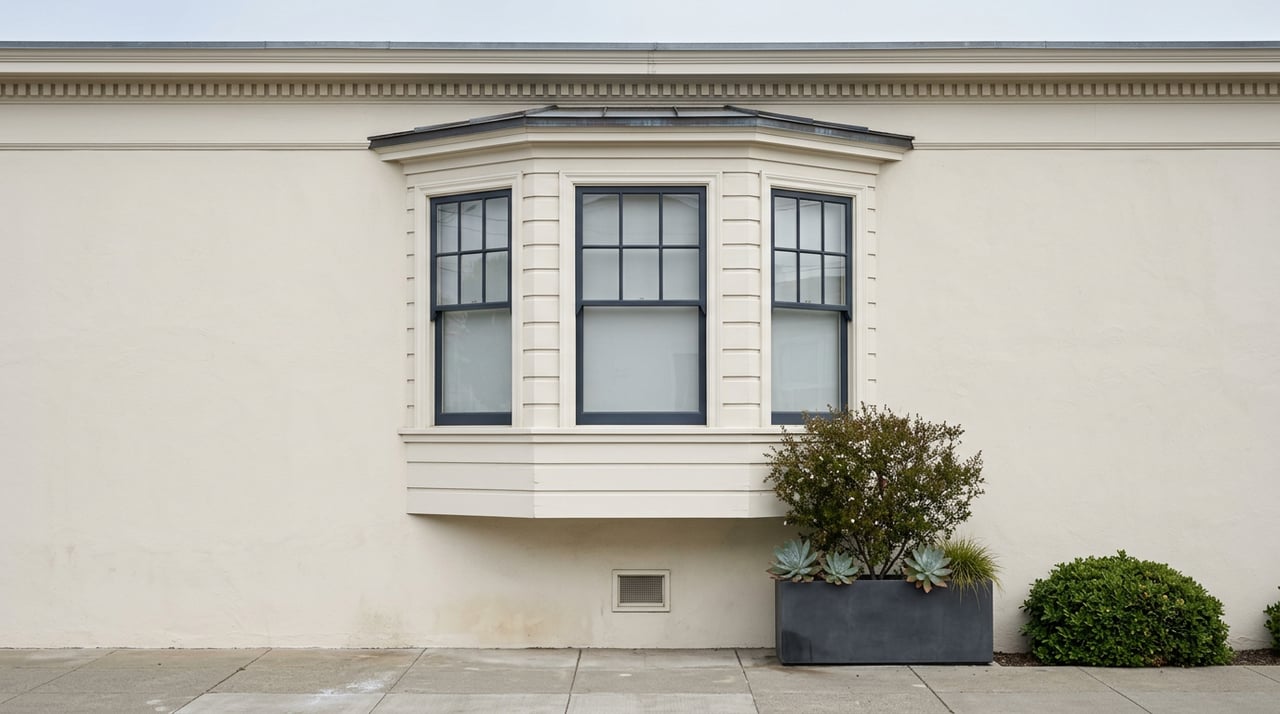
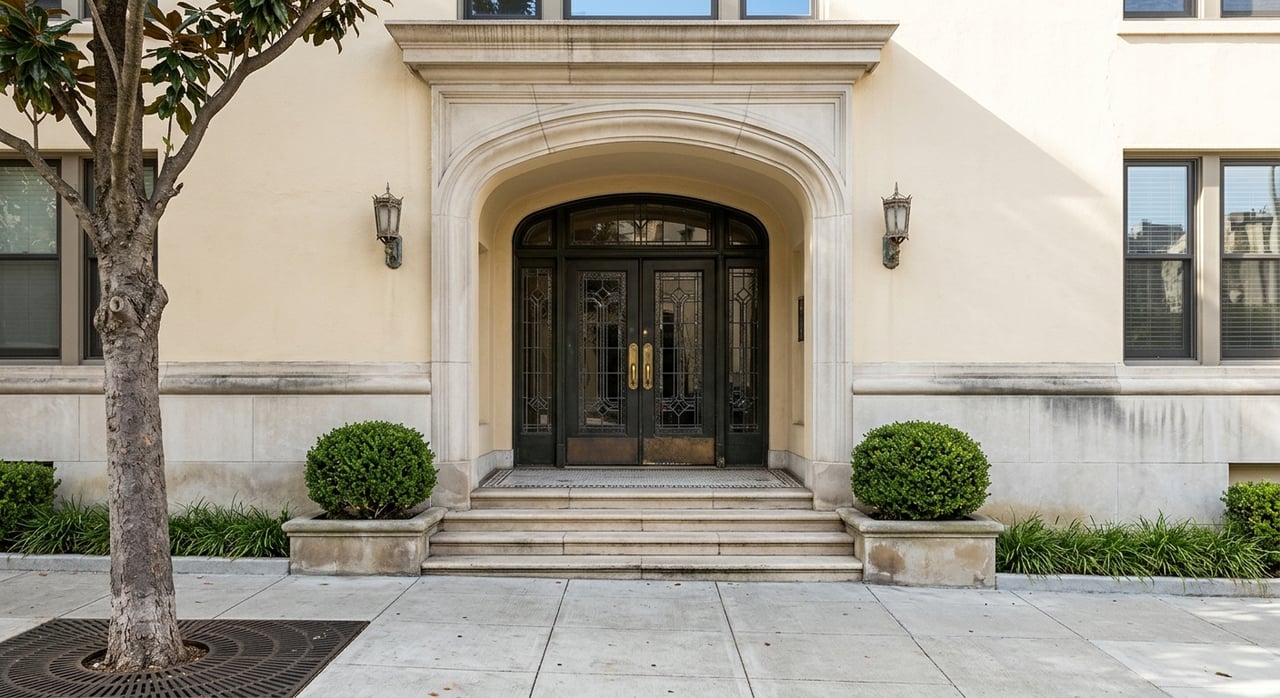
Many Pacific Heights condos are period conversions, Edwardian flats, or pre-war apartments. These homes often appeal to buyers who want details like bay windows, fireplaces, period trim, or layouts that feel more like a traditional San Francisco home.
Current listing examples in the neighborhood show a wide size range. Available homes have included compact options around 575 square feet, junior one-bedrooms around 685 square feet, remodeled classic condos around 1,045 square feet, and larger Edwardian flats around 1,480 square feet with private outdoor space.
That variety matters if you are comparing lifestyle tradeoffs. A smaller unit may give you access to the neighborhood at a lower price point, while a larger flat may offer a more house-like layout without leaving condo ownership behind.
Newer Construction and Full-Service Living
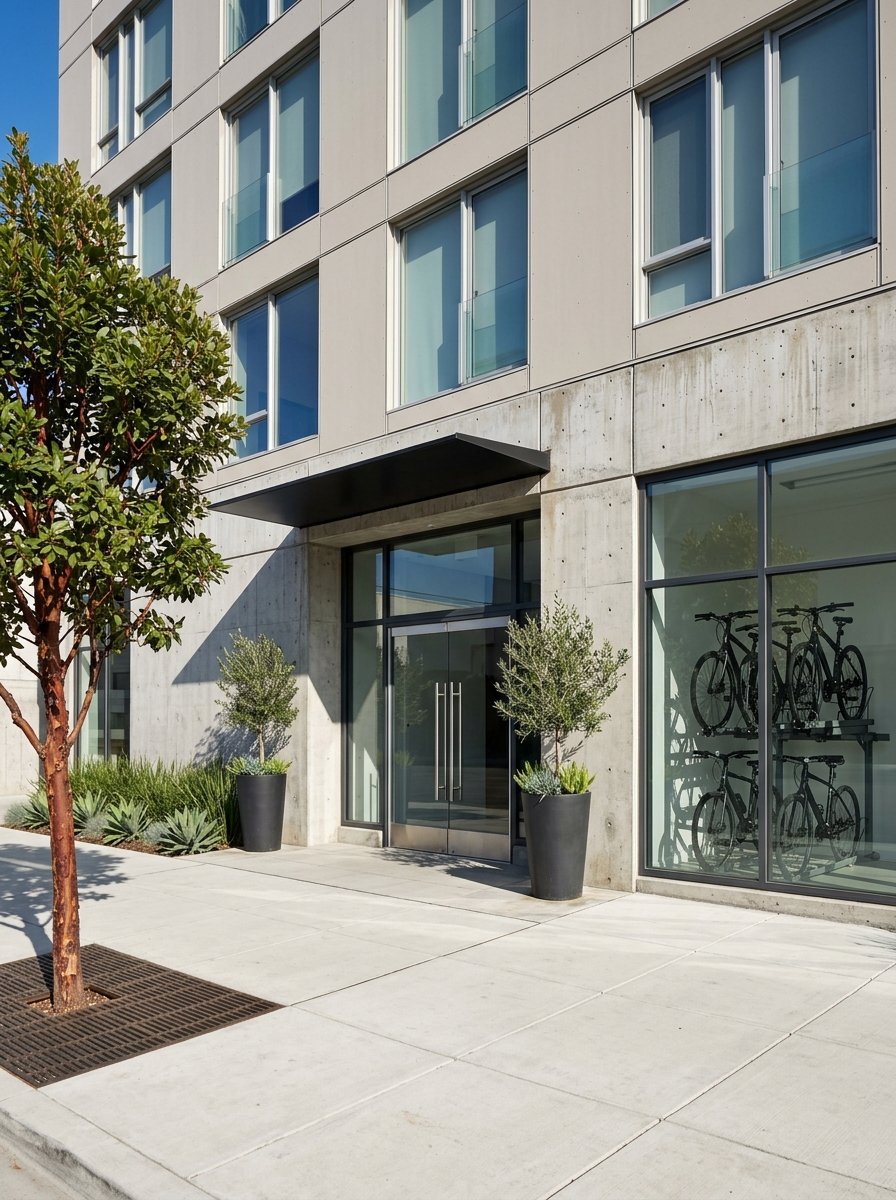
Newer condo inventory in Pacific Heights is limited, but it does exist. One notable example is The Pacific at 2121 Webster, a 2016 adaptive-reuse project with 76 condominiums and townhomes.
Homes there range from one- to four-bedroom layouts, with sizes starting around 950 square feet and reaching nearly 4,000 square feet for penthouses. The amenity package is much more full-service than what you typically see in a small historic building, including concierge, private valet, garage parking, a fitness studio, yoga garden, lounge, business center, guest suite, and LEED-oriented design features.
If you want lower-maintenance living and more services built into the property, newer buildings may be worth a close look. If you care more about architectural charm and potentially lower shared-operating complexity, a classic building may be the better fit.
Pacific Heights Price Range Right Now
Inventory in Pacific Heights is currently thin, which can make the search feel competitive and selective. Redfin shows only six condos for sale, with a median listing price of about $1.38 million.
Sample listings range from about $599,000 for a one-bedroom in a full-service tower to about $1.55 million for larger two- to three-bedroom homes. Realtor.com reports a current neighborhood listing median around $1.7 million, while Zillow’s typical neighborhood home value is around $2.0 million, though that broader figure is not condo-specific.
For you, the takeaway is simple: Pacific Heights can offer several entry points, but the building type, size, and amenity level can change pricing quickly. In a low-inventory environment, it helps to define your must-haves early so you can act decisively when the right unit appears.
Why HOA Review Matters So Much
In Pacific Heights, the HOA is not a side issue. It is a major part of the buying decision because buildings vary so much in age, size, amenities, and maintenance needs.
California resale law requires sellers to provide important condo documents, including governing documents, the latest annual budget and reserve-related disclosures, current assessments and unpaid charges, unresolved violation notices, rental restriction statements, requested board minutes, and the most recent inspection report.
That gives you a more complete picture of what you are buying into. Instead of looking at dues as a single monthly number, you should evaluate the whole package: reserves, maintenance planning, rules, and the possibility of future costs.
What HOA Dues Can Mean
Current Pacific Heights listings show how widely HOA dues can vary. Sample dues include about $792 for a top-floor unit with a private roof deck and about $889 for a 2016-built unit with parking.
Another listing with a pool, sauna, spa, fitness center, and 24-hour security notes that dues include water, trash, sewer, and high-speed internet. A boutique Edwardian flat in a three-unit building is marketed with low HOA dues, showing the other end of the spectrum.
The lesson is that lower dues are not always better, and higher dues are not always a problem. You want to understand what the dues support and whether the reserve position and maintenance planning make sense for the building.
The Reserve Question You Should Not Skip
One of the most important disclosures in a California condo purchase is the reserve information. California’s reserve disclosure form is designed to show whether projected reserves are likely to be sufficient over the next 30 years and whether additional assessments may be needed.
That matters even more in Pacific Heights, where many buildings are older and may require ongoing work. A beautiful unit can still come with building-level financial issues, so reviewing the reserve picture carefully can help you avoid expensive surprises later.
Five Questions to Shortlist the Right Building
If you are narrowing your options in Pacific Heights, start with building-level questions before you get attached to finishes or staging. These five questions can quickly separate a good fit from a poor one.
- Is the property a classic conversion or newer construction?
- Does the building have an elevator, parking, and storage?
- How strong is the HOA reserve position?
- Are any special assessments expected?
- Do the rules for rentals, pets, and alterations fit your lifestyle?
These questions matter because the condo experience is shaped as much by the building as by the unit itself. A great floor plan in the wrong building can become frustrating over time, while a solid building can make ownership more predictable and easier to manage.
Pacific Heights vs. Cow Hollow
Many buyers compare Pacific Heights with Cow Hollow because both are highly walkable and well-known. The better choice often comes down to building style, neighborhood feel, and price tolerance.
San Francisco Planning describes Cow Hollow as the north-facing slope descending from Pacific Heights toward the Marina, with mostly two- and three-story buildings and design review focused on scale, setbacks, and compatibility. In everyday terms, Cow Hollow usually feels lower-rise and more street-level.
Pacific Heights, by contrast, offers a broader mix of building types, from detached homes to apartment towers along the ridge. If you want a more iconic San Francisco setting and a wider condo product mix, Pacific Heights may feel like the stronger match.
Price Comparison Between the Two
Recent market data suggests Cow Hollow often trades at a higher neighborhood-wide price point. Redfin’s recent sold median is about $2.36 million for Pacific Heights versus $3.60 million for Cow Hollow.
Realtor.com’s current listing medians are about $1.70 million for Pacific Heights and $2.40 million for Cow Hollow. That does not mean every Cow Hollow condo costs more than every Pacific Heights condo, but it does suggest Cow Hollow generally sits at a premium in current data.
Walkability Comparison
Both neighborhoods support walkable city living. Redfin currently lists Pacific Heights at a Walk Score of 97 and Cow Hollow at 94.
For most urban professionals, the decision is less about whether you can get around easily and more about the type of building, block, and monthly carrying cost that best fits your priorities. That is where a more detailed property-by-property comparison becomes useful.
What to Check in Newer Condo Projects
If you are considering a newer Pacific Heights condo project, the public report deserves close attention. California requires subdividers to obtain a Department of Real Estate public report before marketing a new condominium project.
That report includes CC&Rs, costs, assessments, and other material disclosures that buyers should read before becoming obligated. In a newer building, this document can be just as important as the HOA package because it helps you understand the project structure and operating framework from the start.
How to Buy Smarter in Pacific Heights
The smartest Pacific Heights buyers usually stay disciplined in three areas: property type, building quality, and monthly carrying cost. That means deciding early whether you want charm or full-service amenities, reviewing HOA documents carefully, and making sure the full monthly payment fits comfortably with your broader goals.
Because inventory is limited, being prepared matters. When you already know your preferred building features, acceptable HOA range, and deal-breaker rules, you can move faster and with more confidence when a strong listing hits the market.
Pacific Heights can be a great fit if you want classic San Francisco character, strong walkability, and a condo market with real variety. If you want help weighing building quality, HOA risk, and neighborhood tradeoffs, Russell Pofsky can help you make a practical, well-informed decision.
FAQs
What types of condos are common in Pacific Heights?
- Pacific Heights condos are often period conversions, Edwardian flats, pre-war apartment units, and a smaller number of newer full-service residences.
What is the current Pacific Heights condo price range?
- Current examples range from about $599,000 for a one-bedroom to about $1.55 million for larger two- to three-bedroom homes, with Redfin showing a median listing price around $1.38 million.
Why do HOA documents matter when buying a Pacific Heights condo?
- HOA documents help you review reserves, budgets, assessments, rules, unresolved issues, and other building-level details that can affect your costs and ownership experience.
How does Pacific Heights compare with Cow Hollow for condo buyers?
- Pacific Heights usually offers more historic character and a wider mix of building types, while Cow Hollow often feels more uniformly low-rise and has shown a higher neighborhood-wide price point in recent data.
What should you ask before buying in a Pacific Heights condo building?
- You should ask whether the building is classic or newer, whether it has elevator parking and storage, how strong reserves are, whether special assessments are expected, and whether the rules fit your lifestyle.