If you are comparing Mission Bay and Dogpatch, you are probably trying to answer a simple question: what does daily life actually feel like once the moving boxes are gone? That is an important question, especially in two San Francisco waterfront neighborhoods that can look close on a map but live very differently day to day. This guide walks you through parks, errands, transit, and the overall rhythm of each area so you can picture where your routine might fit best. Let’s dive in.
Mission Bay vs. Dogpatch at a Glance
Mission Bay and Dogpatch sit along the southeast waterfront, but they offer two distinct experiences.
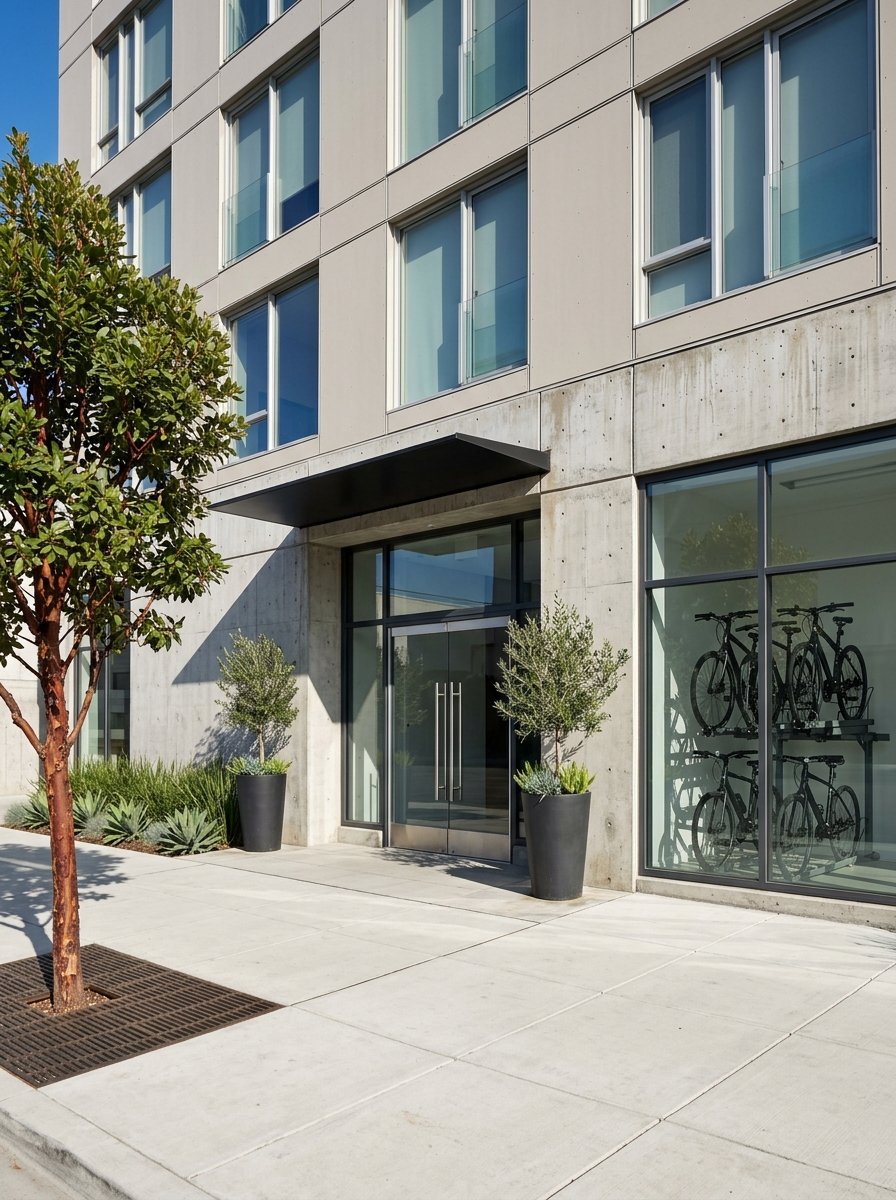
Mission Bay is a newer, master-planned neighborhood built with housing, retail, UCSF facilities, transit access, and open space as part of a larger vision. It tends to feel more polished, more campus-oriented, and more tied to major destinations like Chase Center.
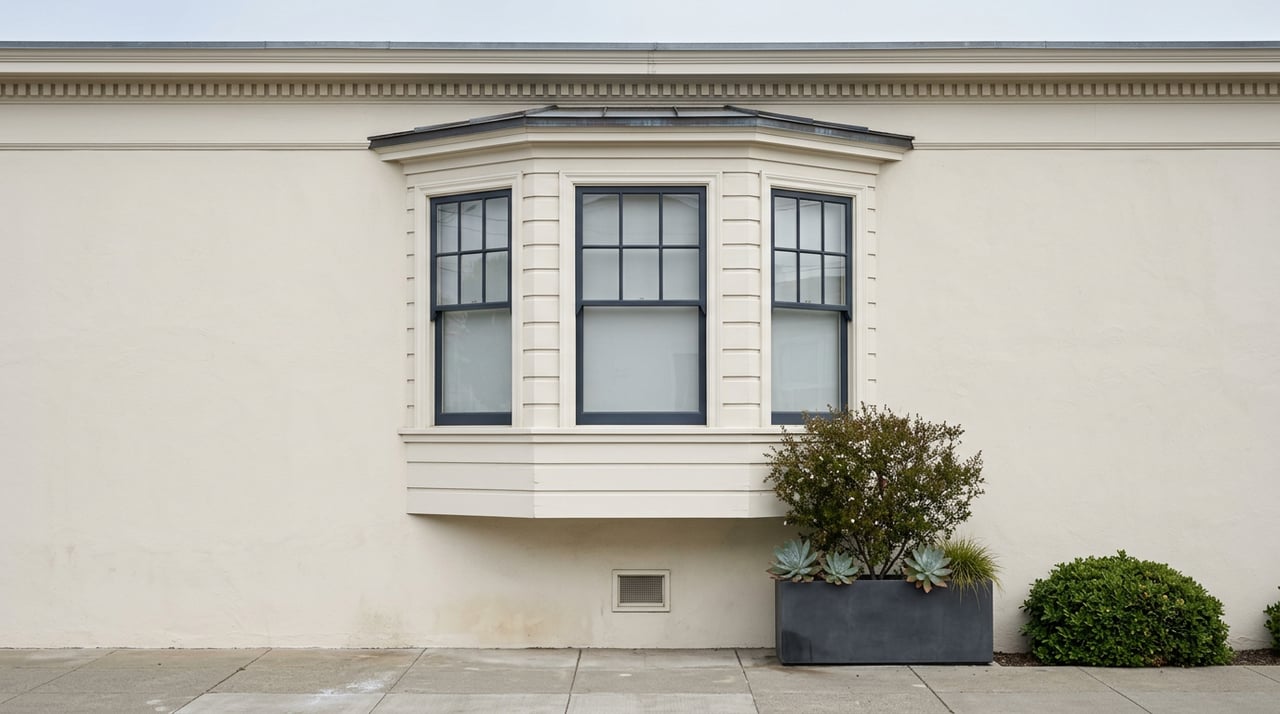
Dogpatch has an older, more layered identity. Planning documents describe it as part of the Central Waterfront’s historic industrial and residential fabric, while local tourism sources highlight its neighborhood-scale bakeries, coffee shops, bars, and restaurants.
For many buyers, the choice comes down to lifestyle. If you want a newer-build environment with broad open spaces and a more designed feel, Mission Bay may stand out. If you want a smaller-scale neighborhood with local business clusters and a more historic street-level character, Dogpatch may feel like a better fit.
Mission Bay Daily Life
Newer and More Planned
Mission Bay was built to function as a mixed-use, transit-oriented district. That shows up in everyday life through newer buildings, larger blocks, organized public spaces, and proximity to UCSF and Chase Center.
You may notice that many routines here feel efficient. Running out for coffee, heading to a park, or catching transit can feel straightforward because the neighborhood was planned with those connections in mind.
Parks Shape the Routine
Open space is a big part of Mission Bay living. The neighborhood has a 24-acre park network managed by San Francisco Recreation and Parks, including Mission Creek Park North and South, Mission Bay Kids Park, Mission Bay Commons, Mariposa Park, and dog parks on Berry Street and Channel Street.
Mission Bay Commons alone offers more than two acres of lawn and green space. If outdoor time is part of your daily reset, that matters. You have room for walks, casual meetups, and time outside without needing to leave the neighborhood.
A newer addition is Bayfront Park, which opened in 2024 between Chase Center and San Francisco Bay. The 5.4-acre space includes Bay Trail access, lawns, plazas, and native plantings, adding another layer to the waterfront experience.
Campus and Convenience
Mission Bay daily life often centers on UCSF and nearby services. UCSF’s Mission Bay campus includes retail options such as Equator Coffee Shop, the Shorenstein Family Café, the Shorenstein Café Express, and a 24-hour pantry and vending area.
That does not mean the neighborhood is only for campus users. It does mean the area has a practical, built-in convenience that supports quick stops and simple routines, especially if you value easy access to coffee, casual food, and services close to home.
Dogpatch Daily Life
More Local and Layered
Dogpatch feels smaller in scale and more rooted in its historic waterfront setting. Planning materials emphasize mixed-use housing, neighborhood-serving services, and preservation of its working-neighborhood character.
In practical terms, that often translates to a more intimate street experience. Instead of a large planned district, you get a neighborhood where many day-to-day habits center on familiar corners, local businesses, and a quieter residential pace.
22nd Street Anchors Errands
The Planning Department identifies 22nd Street as Dogpatch’s commercial heart. That aligns with the neighborhood’s reputation for local bakeries, coffee shops, bars, and restaurants.
If you like the idea of having a few favorite places rather than relying on larger-scale retail, Dogpatch may appeal to you. The rhythm here tends to feel more about repeat local stops and less about destination activity.
Parks and Waterfront Access
Dogpatch has some of the most distinctive outdoor spaces in this part of the city. Crane Cove Park is a seven-acre bayfront park with picnic tables, play areas, beach access for kayaking, paddleboarding, and wading, plus an off-leash dog run.
It is important to note that swimming is not allowed there, so the park works better as a shoreline recreation space than a traditional beach. Even so, it gives the neighborhood a strong waterfront identity and a very usable outdoor setting.
Esprit Park also plays a major role in daily life. After reopening in 2025 following a major renovation, it now includes two meadows, an accessible path, an off-leash dog area, and a dog-free lawn.
Getting Around From Both Neighborhoods
Transit Is a Real Advantage
One of the biggest strengths shared by Mission Bay and Dogpatch is transit access. The T Third Street line serves Mission Bay at 4th & King, Mission Rock, UCSF/Chase Center, and farther south at 20th and 23rd streets.
Dogpatch also benefits from the 22nd Street Caltrain Station, with connections that include Muni 55, 48, and T Third. SFMTA created the 55 Dogpatch route to preserve east-west connections in the area, which helps support local mobility.
For buyers who want to reduce car dependence, this matters. City planning materials also note that the area is flat and supports direct routes, which can make biking and walking feel more practical than in hillier parts of San Francisco.
Walking and Biking Feel Practical
The Central Waterfront plan highlights pedestrian access to transit, the Bay Trail, and linked open-space areas. That helps explain why everyday life here often feels lower-friction for short trips.
If your ideal routine includes walking to a café, biking along flatter streets, or reaching transit without a long uphill climb, both neighborhoods check important boxes. The difference is less about whether you can move easily and more about which setting you prefer while doing it.
Event Nights and Parking Reality
Chase Center Changes the Rhythm
Chase Center is one of the biggest forces shaping daily life in this part of the city. The arena sits at 3rd and 16th streets in Mission Bay and has 18,064 seats, which means game nights and concerts can noticeably change traffic patterns.
SFMTA provides special event service on the T Third line roughly every 10 minutes during events. The agency also uses parking measures and street closures to manage congestion.
Spillover Reaches Dogpatch Too
Even if you live in Dogpatch, event activity can still affect your routine. SFMTA extended residential parking enforcement in Dogpatch in response to spillover from Chase Center.
That is not necessarily a deal-breaker, but it is part of the real lifestyle picture. If you are deciding between the two neighborhoods, it helps to think honestly about your tolerance for event-night traffic, parking pressure, and shifting street activity.
Which Neighborhood Fits Your Routine?
Mission Bay May Fit You If
Mission Bay may be a stronger fit if you want:
- Newer residential buildings and a more master-planned setting
- Larger open spaces and a growing park network
- Close access to UCSF-related amenities
- A neighborhood that feels connected to major city destinations and events
- A more streamlined, transit-oriented daily routine
Dogpatch May Fit You If
Dogpatch may be a stronger fit if you want:
- A smaller-scale neighborhood with more historic texture
- A local café-and-shop rhythm centered around 22nd Street
- Distinctive waterfront recreation at Crane Cove Park
- A quieter residential feel away from the larger Mission Bay build-out
- A neighborhood identity that feels more independent and layered
Why This Choice Matters for Buyers
In San Francisco, two neighborhoods can sit next to each other and still support very different lifestyles. That is why it helps to look beyond listing photos and ask how each area works on an ordinary Tuesday morning, a quick errand run, or a busy event night.
For condo buyers especially, Mission Bay and Dogpatch can both make sense, but for different reasons. Mission Bay often appeals to buyers focused on newer housing, building amenities, and polished convenience. Dogpatch often attracts buyers who want a more neighborhood-driven atmosphere with strong local character and easy waterfront access.
The right move is not about picking the more popular name. It is about matching your home search to the routine you want to live every day.
If you are weighing Mission Bay against Dogpatch, working with someone who understands San Francisco micro-markets can save you time and help you focus on the details that matter most. To talk through the neighborhood fit, condo options, and the practical side of buying or selling in this part of the city, schedule a free consultation with Russell Pofsky.
FAQs
What is everyday life like in Mission Bay, San Francisco?
- Mission Bay tends to feel newer, more planned, and more connected to UCSF, Chase Center, transit, and a growing network of parks and waterfront open space.
What is everyday life like in Dogpatch, San Francisco?
- Dogpatch usually feels smaller in scale and more local, with day-to-day life centered around 22nd Street businesses, neighborhood parks, and its historic Central Waterfront setting.
Is Mission Bay or Dogpatch better for parks and outdoor space?
- Both offer strong outdoor access, but Mission Bay has a broader park network while Dogpatch stands out for Crane Cove Park and the renovated Esprit Park.
How do you get around Mission Bay and Dogpatch without a car?
- Both neighborhoods are served by the T Third line, Dogpatch also has Caltrain access at 22nd Street, and the area’s flat streets support walking and biking for short trips.
Does Chase Center affect daily life in Mission Bay and Dogpatch?
- Yes, Chase Center can bring event traffic, parking pressure, and street activity changes, especially during games and concerts, with spillover effects reaching Dogpatch as well.
Which neighborhood is better for a condo buyer, Mission Bay or Dogpatch?
- Mission Bay may suit buyers looking for newer condo living and a more master-planned environment, while Dogpatch may suit buyers who prefer a smaller, more neighborhood-driven setting with local character.