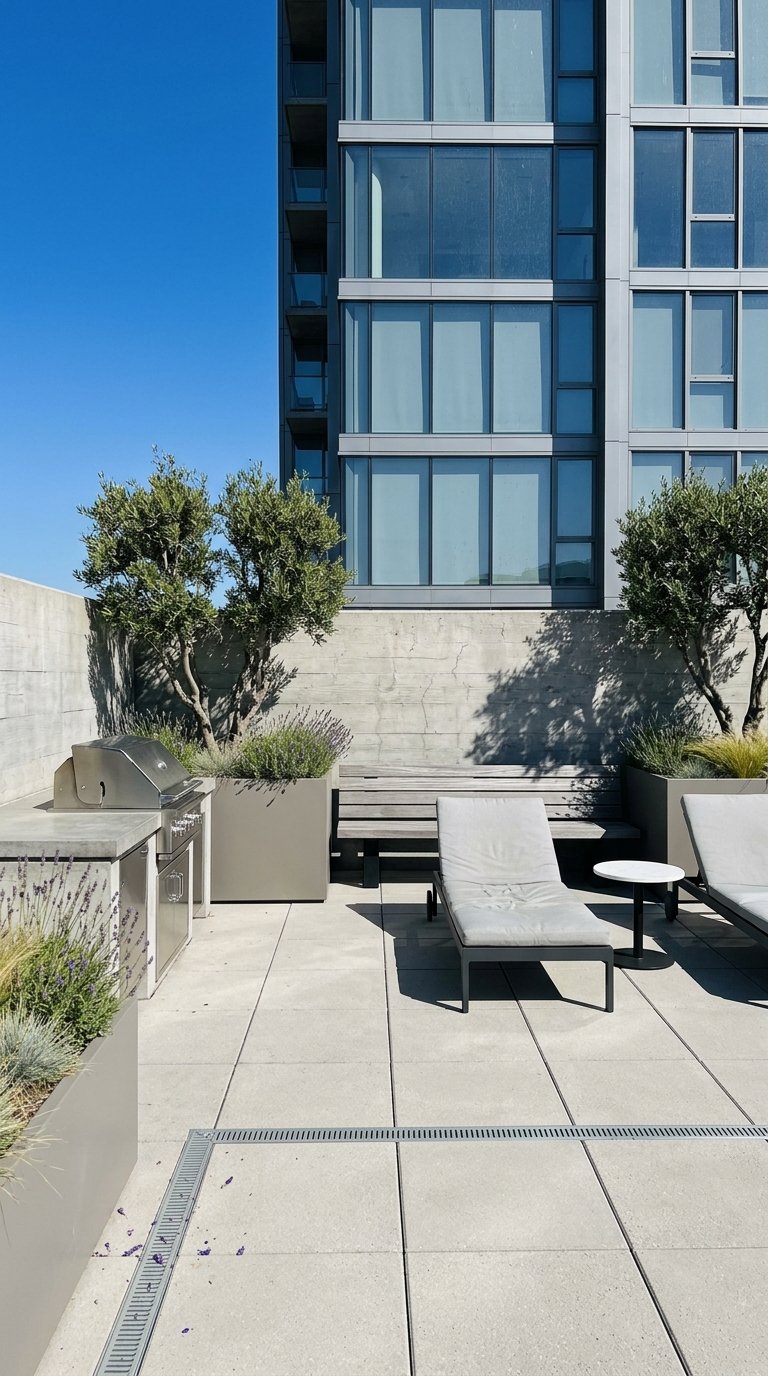
Buying a high-rise condo in Yerba Buena can look simple on the surface, then get complicated fast once you dig into the building. You are not just choosing a floor plan, view, or amenity package. You are also buying into an HOA, a reserve budget, building rules, and a project that has to make sense for your financing. If you want to shop smarter and avoid costly surprises, this guide will walk you through what matters most in Yerba Buena’s condo market. Let’s dive in.
Why Yerba Buena Condos Feel Different
Yerba Buena sits within a downtown San Francisco condo belt that includes nearby areas like the East Cut and South Park. San Francisco Planning describes these surrounding areas as high-density, mixed-use districts rather than one uniform neighborhood. That matters because your purchase is tied to both the building and the broader district around it.
The area has changed significantly over time, with former light industrial sites and surface parking lots giving way to high-density residential and mixed-use development. Planning policy for Yerba Buena also focuses on adding more residential activity, destination retail, and active upper-floor uses. For you as a buyer, that means the value of a condo here is often shaped by transit access, mixed-use convenience, and the continued evolution of downtown.
Another local factor is open space. In the larger downtown and SoMa tower zone, public open space is more limited than in many lower-rise parts of San Francisco. That helps explain why in-building amenities like fitness rooms, roof decks, lounges, and shared outdoor areas often carry extra weight when buyers compare one tower to another.
Understand What You Are Really Buying
When you buy a condo in California, you automatically become a member of the homeowners association. In most cases, that association is a nonprofit mutual benefit corporation run by an elected board. So your purchase includes more than the unit itself.
You are also buying into the building’s operating system. That includes common-area maintenance, rules for use, financial planning, assessments, and long-term repair decisions. In a high-rise, those details matter because the building may include elevators, shared mechanical systems, podium structures, waterproofing, and other costly components.
HOA Dues Matter, But Reserves Matter More
It is easy to focus on the monthly HOA number and stop there. A lower monthly fee can look attractive, but it does not always mean the building is in better shape financially. In some cases, it can mean reserves are not being funded at a healthy level.
California requires important disclosure materials in a condo resale. Sellers must provide governing documents, the most recent annual budget materials, current regular and special assessments, unpaid fines or fees, unresolved violation notices, and the most recent exterior elevated element inspection report. Those records can tell you much more than a listing sheet ever will.
The annual budget materials are especially useful. They include a pro forma operating budget, a reserve summary, a reserve funding plan summary, and any expected special assessment. If the board has decided to defer major repairs for components with 30 years or less of remaining life, that should also appear in the annual budget report.
Why Reserve Studies Are a Big Deal
Reserve planning is one of the most important parts of buying into a high-rise HOA. California requires a visual reserve study at least once every three years when the building meets the legal threshold, and the board must review that study every year. The study identifies major components with less than 30 years of useful life, estimates replacement costs, and estimates the annual reserve contribution needed.
For you, this is not just paperwork. It is a practical way to judge whether the HOA is planning ahead for real expenses. In towers with elevators, balconies, decks, waterproofing systems, and shared infrastructure, weak reserves can lead to deferred maintenance or special assessments later.
The reserve disclosure summary can help you zero in on the essentials. It shows current assessments, already scheduled assessments, whether projected reserves are likely to be sufficient over the next 30 years, and the current percent funded. That is the kind of information you want to review before you get emotionally attached to a unit.
New Tower or Resale Building?
Not every condo purchase in Yerba Buena follows the same script. A brand-new tower, a recently converted building, and an established resale project can each raise different questions. Understanding that difference can help you avoid delays during escrow.
For new condo projects in California, the Department of Real Estate requires a public report before marketing. That report includes core disclosures such as the CC&Rs, common-area costs and assessments, and other material project details. If the improvements are not complete when the application is filed, the developer must show financial arrangements for completion.
An established project is different. Fannie Mae generally treats a condo project as established when at least 90% of units have been conveyed, the project is 100% complete, there is no additional phasing or annexation, and HOA control has been turned over to the owners. If those conditions are not met, the project may be treated as new, which can affect financing and lender review.
What Changes in Your Due Diligence
In a newer tower, you will usually want to pay close attention to developer turnover, unfinished work, and whether the project has reached the level of stability a lender wants to see. In an established building, the focus usually shifts toward HOA financial history, reserve strength, repair cycles, and whether special assessments may be coming.
That distinction matters in Yerba Buena because downtown San Francisco continues to evolve through new housing development and adaptive reuse efforts. Some buildings may feel settled and predictable. Others may still be moving through an earlier stage of project life, even if the finishes and marketing feel polished.
Financing Can Hinge on the Building
One of the biggest condo surprises for buyers is that your personal loan approval is only part of the equation. Lenders also review the project itself. A building that looks appealing to you may still create issues at the project-review stage.
Fannie Mae says lenders must evaluate the project’s financial stability, property condition, insurance coverage, marketability, limitations on owner control or use of common elements, and project-level litigation. Some project features can make a building ineligible for certain financing altogether.
Examples of red flags include hotel or motel-style operations, excessive commercial space, certain shared ownership structures, unresolved litigation tied to safety or habitability, high ownership concentration by a single entity, critical repairs, or insolvency proceedings. For buyers in downtown towers, these issues are not theoretical. They can directly affect whether a lender will fund the loan.
FHA and Low-Down-Payment Buyers
If you plan to use FHA or another lower-down-payment option, the project review becomes even more important. HUD says eligible condo projects must be complete, in good standing under state law, and meet requirements related to insurance, title, financial condition, pending legal action, and physical condition.
For single-unit approval, the unit must be in a completed project that is ready for occupancy, has at least five dwelling units, and meets certain project standards. If you are using this type of financing, it is smart to confirm the building’s status with your lender early rather than assume the deal will work later.
Deferred Maintenance Can Stop a Deal
Reserve funding and deferred maintenance have become major condo financing issues. Freddie Mac says condo project budgets for both new and established reviews must allocate 10% to reserves, and special assessments cannot replace that reserve contribution. It also treats buildings with critical repairs as ineligible until those repairs are completed.
Examples of critical-repair items can include balconies, elevators, foundations, parking structures, stairwells, and electrical systems. In high-rises, these are not minor details. They can affect safety, future costs, and your ability to close on time.
Exterior Inspections Matter in Towers
Because many downtown condo buildings include balconies or other exterior elevated elements, California’s inspection rules are especially relevant. State law requires a licensed engineer, architect, or civil engineer to inspect a random, statistically significant sample of exterior elevated elements at least every nine years. That report must then be incorporated into the reserve study.
This matters in resale transactions too. As part of California’s resale disclosure requirements, sellers must provide the most recent exterior elevated element inspection report. If the inspector identified an immediate safety threat, the association must restrict access and notify local code enforcement.
Questions to Ask Before You Write an Offer
A strong condo purchase starts with sharper questions. In Yerba Buena, the goal is not just to find a unit you like. It is to understand whether the building supports your budget, your financing, and your long-term comfort level.
Here are some of the most useful questions to ask:
- What is the current monthly HOA assessment?
- How much of that assessment goes to operations versus reserves?
- Can you review the annual budget report and reserve funding disclosure summary?
- How current is the reserve study, and what is the current percent funded?
- Does the board expect a special assessment in the near future?
- Is the project established, newly converted, or still under developer control?
- Are there pending lawsuits, construction-defect claims, or lender-sensitive repair issues?
- Does the project have more than 35% commercial space or any hotel-style operating features?
- What rental restrictions, occupancy rules, or use limitations appear in the governing documents?
- Is the latest exterior elevated element inspection report available, and are any repairs still open?
- If you are using FHA or another lower-down-payment loan, has the lender confirmed the building works for that loan type?
Why Local Guidance Helps
Yerba Buena condo purchases often look straightforward until the HOA documents arrive. That is where buyers can lose time, miss red flags, or underestimate how building-level details affect financing and resale value. A practical, finance-literate review process can help you focus on the issues that actually move the deal.
Russell Pofsky specializes in urban condominium purchases across central San Francisco and brings experience in both residential sales and mortgage lending. If you want help comparing towers, reviewing HOA disclosures, or building a smarter offer strategy in Yerba Buena, Russell Pofsky can help you move forward with clarity.
FAQs
What makes Yerba Buena condo buying different from other San Francisco neighborhoods?
- Yerba Buena is part of a dense, mixed-use downtown condo market where building operations, HOA health, transit access, and district-level change often matter as much as the unit itself.
What HOA documents should you review before buying a Yerba Buena condo?
- You should review the governing documents, annual budget materials, current assessments, reserve disclosures, unresolved violation notices, and the most recent exterior elevated element inspection report.
Why are reserves important when buying a high-rise condo in Yerba Buena?
- Reserves help pay for future repair and replacement of major shared components, and weak reserves can increase the risk of deferred maintenance or special assessments.
How can a condo building affect your financing in Yerba Buena?
- Lenders may review the project’s financial condition, insurance, litigation, repair issues, commercial space, and operational structure, and those factors can affect whether your loan is approved.
What should you ask about a new Yerba Buena condo tower?
- You should ask whether the project is complete, whether HOA control has turned over from the developer, how many units have been conveyed, and whether the building meets your lender’s project standards.
What should you ask about an older Yerba Buena resale building?
- You should focus on reserve strength, expected special assessments, repair cycles, deferred maintenance, current litigation, and the latest inspection and disclosure reports.