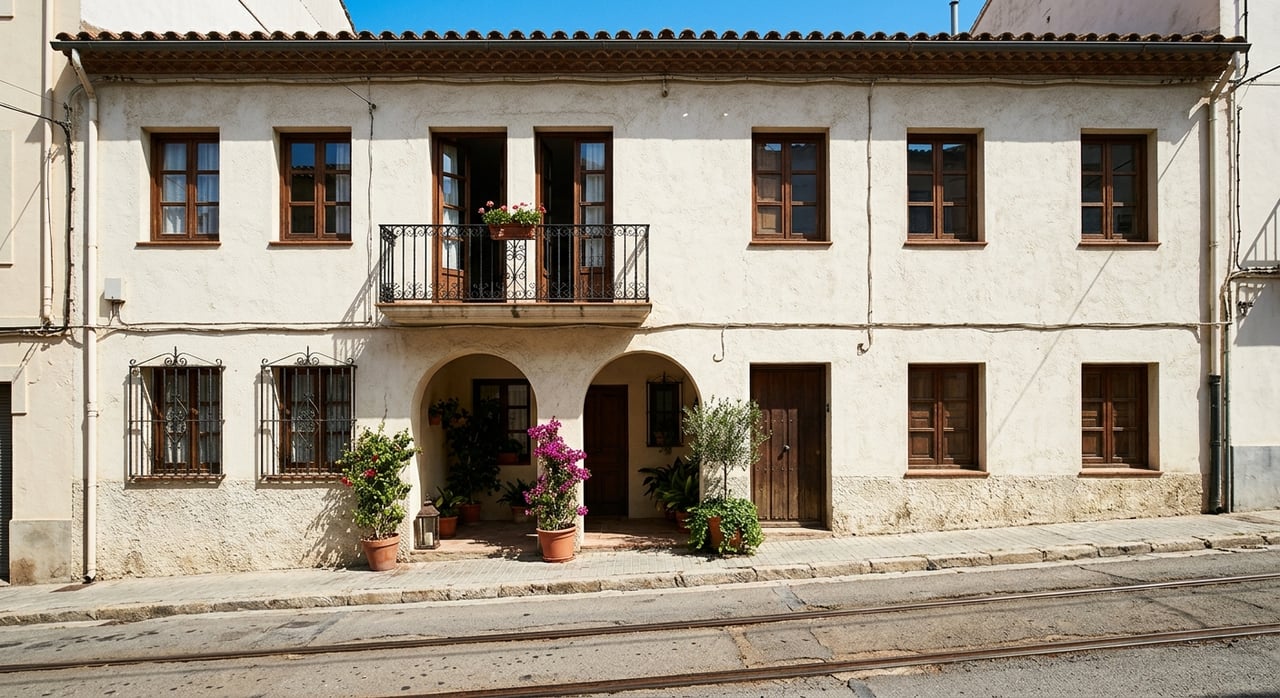
If you want a San Francisco neighborhood that feels calm and connected at the same time, West Portal is worth a closer look. Many buyers like the idea of easy transit, nearby shops, and access to parks, but not everyone wants a dense, high-rise setting. This guide will help you understand what daily life in West Portal looks like, what kind of housing you can expect, and who this neighborhood tends to fit best. Let’s dive in.
What West Portal feels like
West Portal sits in southwestern San Francisco and is grouped by SFMTA within the broader West of Twin Peaks area. In practical terms, that gives you a neighborhood with a more residential feel than many central-city locations, while still offering direct transit connections into other parts of San Francisco.
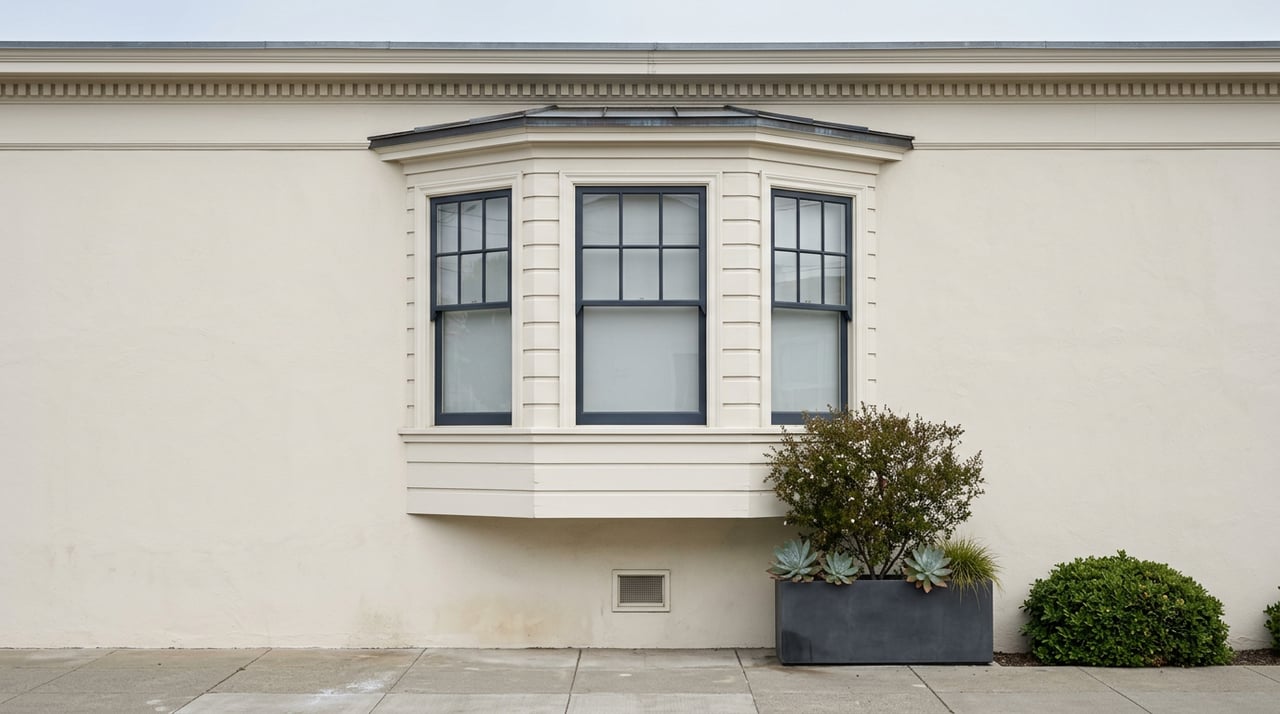
The overall character is low-rise and neighborhood-oriented. Instead of a dense apartment-heavy environment, West Portal is better known for its quieter streets, smaller-scale buildings, and a commercial corridor designed to serve local daily needs.
Why transit stands out
One of West Portal’s biggest strengths is access to Muni Metro. West Portal Station is a key transit point where the K Ingleside, L Taraval, and M Ocean View lines all stop.
If you commute or regularly head into more central parts of the city, that matters. SFMTA lists a Muni Metro trip from West Portal to Montgomery Station at about 15 minutes, which gives you a practical connection without requiring a car for every trip.
Transit can shape daily routine
For some buyers, transit access is not just a convenience. It can change how you think about workdays, errands, and weekend plans.
In West Portal, the station is part of the neighborhood identity. If you want a more residential setting but still value a direct rail connection, this area checks an important box.
What homes you’re more likely to find
West Portal is generally a better fit for buyers looking for a low-rise residential district. City planning guidance for the West Portal Avenue Neighborhood Commercial District emphasizes a small-scale pattern, with height limits of 26 feet and two stories in the commercial district context, protections for existing residential units, and an expectation that development match the area’s established character.
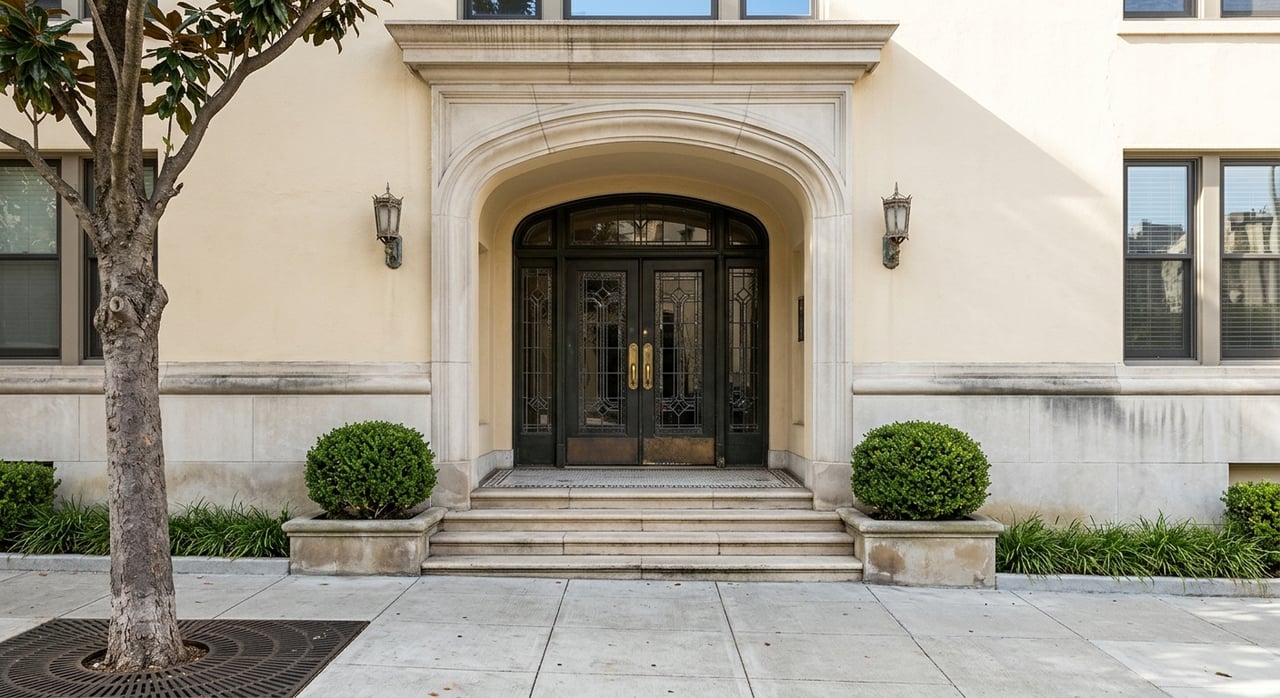
That planning approach helps explain why West Portal does not read like a new-construction condo hub. You are more likely to find detached homes, smaller multi-unit properties, and housing that reflects the neighborhood’s longstanding residential pattern.
Who may feel at home here
West Portal can make sense if you want:
- A single-family home or smaller residential building
- A quieter street environment
- A neighborhood with everyday shops and services nearby
- Transit access without a highly urban streetscape
- Proximity to parks and open space
Who may want to look elsewhere
West Portal may be a weaker fit if you want:
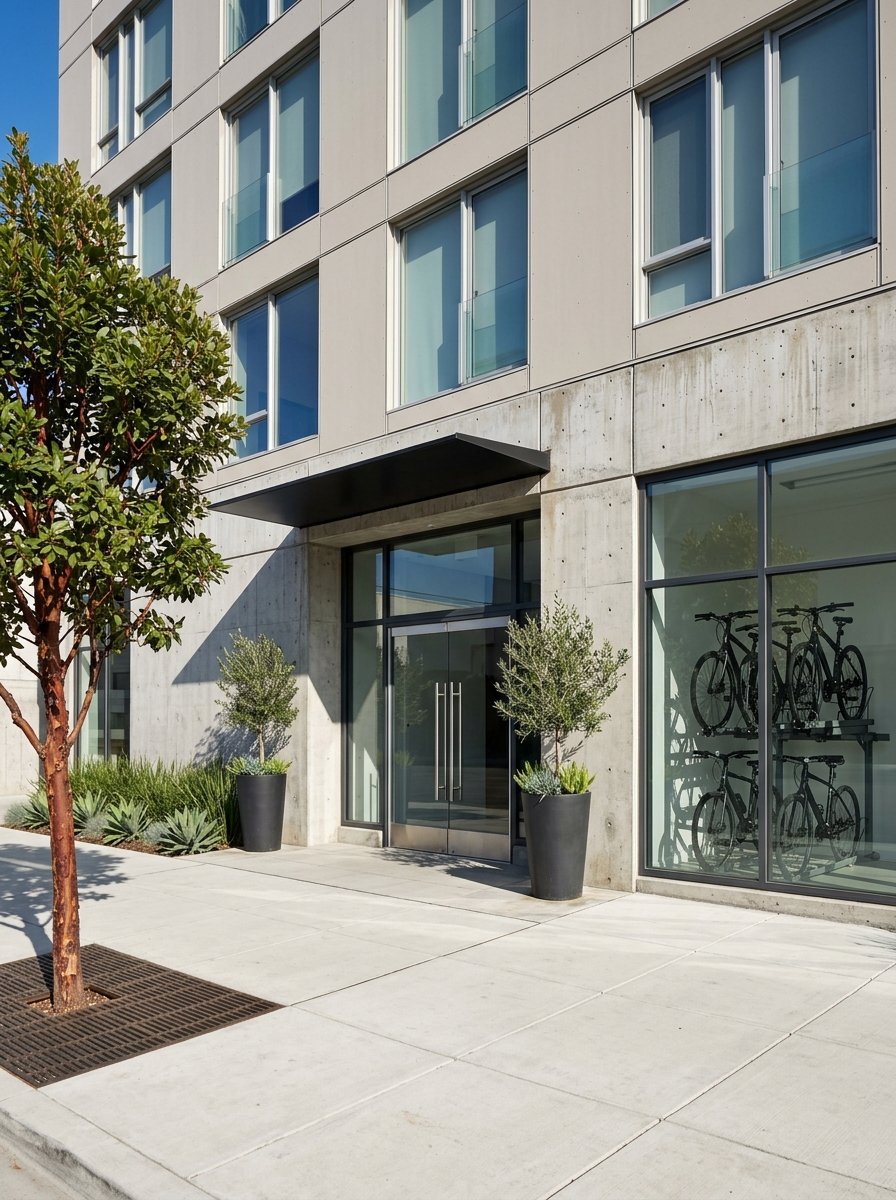
- Abundant new-construction condos
- A high-density neighborhood
- A high-rise environment
- A more nightlife-centered setting
- A central-city feel right outside your door
West Portal Avenue and daily convenience
West Portal Avenue is the neighborhood’s main commercial strip, and its scale is part of the appeal. Planning describes it as a neighborhood-serving district that runs about three blocks along West Portal Avenue, plus one block east on Ulloa.
That may sound modest, but it is also the point. The area is intended to preserve a village-like, small-scale retail character rather than grow into a larger, more intensive commercial zone.
What that means for you
If you picture daily life as being able to step out for basic goods and services close to home, West Portal supports that lifestyle. If you want a neighborhood built around large entertainment venues or a major nightlife scene, this is probably not the strongest match.
For many buyers, that balance is appealing. You get convenience, but the commercial core still feels tied to the surrounding residential blocks.
Parks and open space nearby
Outdoor access is another reason buyers consider West Portal. Rec & Park lists West Portal Playground and the West Portal Grass Area at Ulloa and Lenox or Lenox Way, with amenities that include a playground, athletic field or grass area, picnic tables, restrooms, and a tennis court.
That gives the neighborhood a useful layer of everyday recreation close to home. Whether you are looking for a quick outing, room to move around, or a nearby place to spend part of the weekend, these local spaces add to West Portal’s livability.
Larger parks add range
West Portal also benefits from being near several larger park destinations:
- Sigmund Stern Grove, described as a full recreation complex and home of the Stern Grove Festival
- Pine Lake Park, which includes one of San Francisco’s few remaining natural lakes and connects to the Bay Area Ridge Trail
- Mt. Davidson Park, which contains a natural area and trails and includes the highest point in San Francisco
This mix gives you both neighborhood-scale open space and access to bigger natural settings nearby.
Schools in and near West Portal
For buyers who are considering school proximity as one factor in their search, West Portal includes West Portal Elementary at 5 Lenox Way. SFUSD notes that the school serves grades TK through 5 and feeds into Herbert Hoover Middle School.
Herbert Hoover Middle School is located on 14th Avenue between West Portal, Laguna Honda, and South Inner Sunset. SFUSD also notes that the L and M Muni lines stop at West Portal Station, about a five-block walk away from Hoover.
It is always smart to confirm current assignment or enrollment details directly with the relevant school district when you are narrowing down a home search. From a location standpoint, though, West Portal offers access to schools that are part of the neighborhood conversation for many buyers.
Is West Portal right for your lifestyle?
The answer depends on what you want your day-to-day experience to feel like. West Portal tends to work best for buyers who want a residential neighborhood with practical transit access, local services, and nearby parks, all without stepping into a dense, high-rise environment.
It tends to be less compelling for buyers whose top priority is a broad condo inventory or a fast-paced central-city setting. That does not make it better or worse than other San Francisco neighborhoods. It simply makes it a more specific lifestyle fit.
A simple way to evaluate fit
As you compare West Portal with other San Francisco neighborhoods, ask yourself a few practical questions:
- Do you want Muni Metro access that is built into daily life?
- Do you prefer low-rise streets over taller, denser blocks?
- Would a small-scale commercial corridor meet your everyday needs?
- Are nearby parks and open space important to you?
- Are you searching for a detached home or smaller multi-unit property rather than a newer condo building?
If you answered yes to most of those questions, West Portal deserves a spot on your shortlist.
West Portal at a glance
| Feature | What to expect |
|---|---|
| Transit | West Portal Station with K, L, and M Muni Metro lines |
| Commute context | About 15 minutes to Montgomery Station by Muni Metro |
| Housing feel | Low-rise, residential, smaller-scale homes and buildings |
| Commercial area | Neighborhood-serving shops and services on West Portal Avenue |
| Outdoor access | Local playground and grass area, plus larger parks nearby |
| Best fit | Buyers seeking transit, parks, local convenience, and a quieter setting |
If you are trying to decide whether West Portal fits your goals, the most helpful next step is to compare its housing stock, street feel, and daily convenience against a few nearby alternatives. That kind of side-by-side view often makes your decision much clearer.
Whether you are buying your first San Francisco home or narrowing down a move within the city, neighborhood fit matters just as much as square footage or price point. If you want practical guidance on how West Portal compares with other San Francisco micro-markets, Russell Pofsky can help you evaluate the tradeoffs and move forward with confidence.
FAQs
Is West Portal a good neighborhood for commuting in San Francisco?
- West Portal can be a strong option for commuting because West Portal Station serves the K Ingleside, L Taraval, and M Ocean View lines, and SFMTA lists a trip to Montgomery Station at about 15 minutes.
What kind of homes are common in West Portal?
- West Portal is generally more aligned with detached homes, smaller multi-unit buildings, and other low-rise housing rather than abundant new-construction condos or high-rise buildings.
Does West Portal have shops and services nearby?
- Yes. West Portal Avenue functions as a neighborhood-serving commercial strip with a small-scale mix of goods and services for nearby residents.
Are there parks near West Portal in San Francisco?
- Yes. West Portal includes neighborhood-scale recreation areas like West Portal Playground and the West Portal Grass Area, and it is also near Stern Grove, Pine Lake Park, and Mt. Davidson Park.
Is West Portal a fit for condo buyers seeking new high-rise buildings?
- Usually not. West Portal is typically a weaker match for buyers who want a dense condo inventory, significant new-construction supply, or a high-rise setting.
What schools are located in or near West Portal?
- West Portal Elementary is located in the neighborhood and serves TK through 5, and SFUSD notes it feeds into Herbert Hoover Middle School.