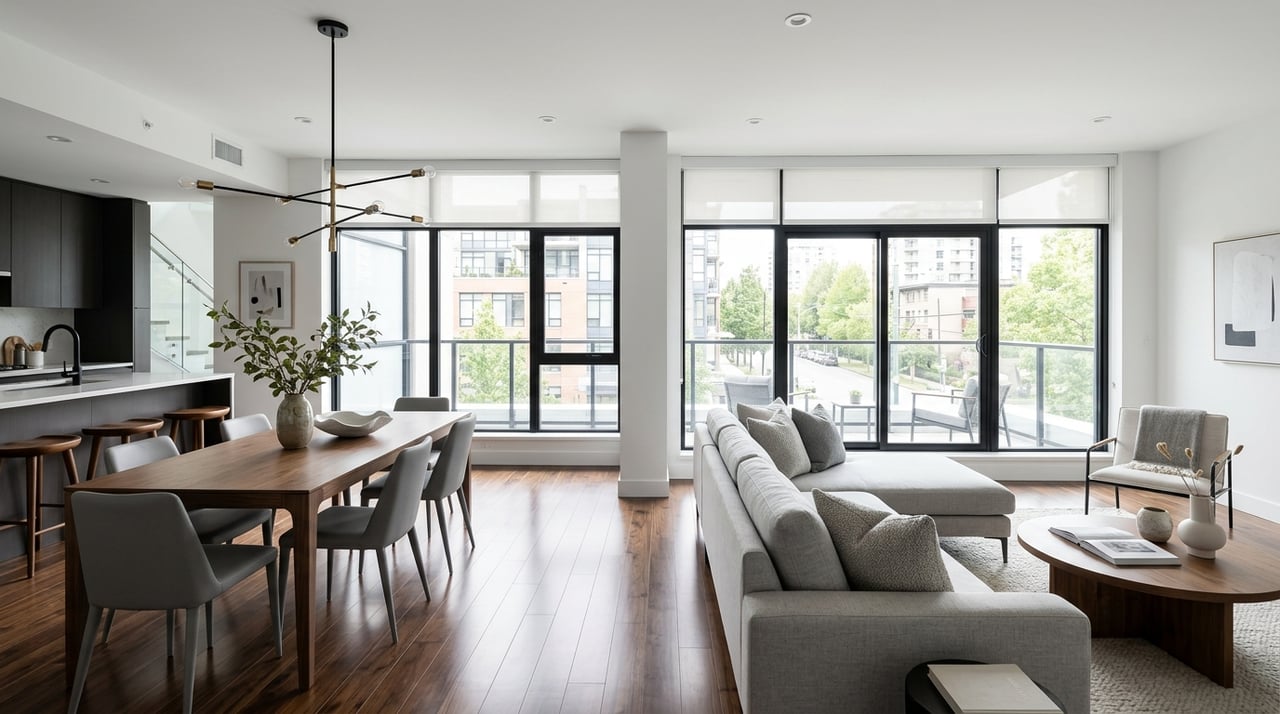
If you are selling a condo in Pacific Heights, pricing it well is about more than picking a number that sounds strong. Buyers here compare building details closely and notice the features that create real value. When you understand how Pacific Heights condos are judged, you can price with more confidence, market more effectively and avoid mistakes that cost time or leverage.
How the Pacific Heights condo market works
Pacific Heights is one of San Francisco's premium condo markets. Condo inventory is often thin, and well-priced, well-presented units can draw strong interest and, at times, multiple offers. At the same time, buyers here are informed. They know the buildings, they compare closely, and they will wait for the right unit rather than overpay for the wrong one.
That is why pricing a Pacific Heights condo cannot rely on citywide averages. Neighborhood condo values sit above the citywide picture, and within the neighborhood, values shift block by block and building by building. Market conditions also move quickly, so the numbers that matter are recent condo sales and the active competition at the moment you list. I prepare that analysis for each seller rather than relying on a figure that may be months old by the time you read it.
Price with condo-only comparables
The first rule of pricing a Pacific Heights condo is to start with condo comps, not all housing types. A neighborhood median that includes large single-family homes can give you context, but your list price should come from recent comparable condo sales and from the listings buyers will see alongside yours.
The best comparables are usually in the same building or on the same immediate block. In Pacific Heights, two condos with the same bedroom and bathroom count can sell for very different prices, depending on building style, condition, access and amenities. Features like views, deeded parking, outdoor space and storage often explain that gap, which is why pricing by bedroom count alone can miss the mark.
Focus on the features buyers value
Buyers here often put real value on details that do not show up in a basic listing summary. Parking, storage, elevator access, outdoor space, view orientation and renovation level can all affect price as much as square footage. Neighborhood listings routinely highlight these points: parking and storage in some, outdoor space and views in others.
Your pricing analysis should account for:
- Same-building or same-block sales
- Elevator versus walk-up access
- Deeded or garage parking, versus leased or no parking
- Storage availability
- Private balconies, terraces or roof decks
- Bay, bridge or city views
- Renovated versus dated interiors
When you choose comparables, keep them inside Pacific Heights. Sales in nearby neighborhoods with different buyer pools and building types can distort the picture.
Why building-specific pricing matters
Pacific Heights is not a one-note condo market. Older buildings may appeal because of architecture, character and views. Newer buildings may attract buyers who want fewer maintenance concerns and a more streamlined ownership experience.
That is why a building-specific comparative market analysis is usually more reliable than a neighborhood average. Two condos with similar layouts can perform very differently if one is in a well-maintained elevator building with healthy reserves and the other is in a building with deferred maintenance or unclear finances.
Location helps too. Pacific Heights is one of the city's most walkable neighborhoods, and that walkability is part of what buyers are paying for. Still, they will weigh building quality and ownership costs carefully before they stretch for a top number.
HOA health can affect value
When you sell a condo, the HOA is part of the product. Buyers are evaluating the building's financial health, rules, ongoing costs and the risk of future expenses, not just your unit.
The California Department of Real Estate's guide to residential subdivisions explains that HOA budgets cover both operating expenses and reserves, and that special assessments can be used for extraordinary repairs, replacements or unexpected costs. Thin reserves or visible deferred maintenance can change how buyers price risk.
California law also limits special assessments. Under California Civil Code Section 5605, an HOA board generally cannot impose special assessments that together exceed 5% of the association's budgeted gross expenses for a fiscal year without the approval of a majority of a quorum of members at a member meeting or election, with exceptions for certain emergency situations defined in Civil Code Section 5610. Even so, buyers may discount a unit if they believe major building work is coming and reserves are not strong enough to cover it.
Older buildings need clear documentation
Older Pacific Heights buildings can draw strong interest, especially where architecture, views or period details are part of the appeal. They also tend to bring more buyer questions about maintenance history, reserves and repair planning.
California's resale disclosure rules are central here. California Civil Code Section 4525 lists HOA documents a condo seller must provide to a prospective buyer, including the governing documents, the most recent budget and reserve disclosures, current regular and special assessments, notices of unresolved violations, approved assessment changes not yet due, any rental restrictions, board minutes if requested, and other items listed in the statute.
For condo buildings with three or more units that have wood-supported balconies, decks, stairways or walkways more than six feet above ground, California Civil Code Section 5551 requires the association to inspect exterior elevated elements at least once every nine years. For most existing buildings, the first inspection was due by January 1, 2025. If your building falls into that category, buyers will often want to know whether any repairs or reserve planning are already under way.
These are general summaries of the statutes. Your disclosure obligations depend on your building and transaction, so review them with a California real estate attorney before you list.
Stage for the Pacific Heights buyer
Staging here should do more than make a condo look attractive. It should make the condo's value story clear within seconds.
Buyers in this neighborhood respond to natural light, in-unit laundry, parking, storage, elevator access, views and outdoor space. Neighborhood listings often lead with Bay views, outdoor space, parking, storage and period details, because those features frame the lifestyle buyers want.
Presentation priorities that support price
When you prepare your condo for market, make the high-value features obvious right away. That usually means improving flow, reducing visual clutter, and letting windows, light and sightlines do more of the work.
A practical prep checklist often includes:
- Furniture placed to open walkways and views
- Bright, simple window treatments
- Clean, styled balconies, terraces or roof decks
- Polished floors and fresh touch-up paint where needed
- Organized storage spaces
- Marketing that leads with parking, storage, outdoor space and elevator access
Buyers should not have to dig through the listing to discover the details that justify your price.
Launch ready, not half ready
Well-prepared Pacific Heights condos can attract their strongest attention in the first few weeks on the market, so preparation should happen before the listing goes live. If photography, staging, pricing and HOA paperwork are not ready on day one, you can lose momentum during the most important window of buyer interest.
What to have ready before listing
- A building-specific pricing analysis
- Current HOA documents and disclosures
- Budget and reserve information
- Any required inspection reports available to share
- A marketing plan that highlights the condo's strongest differentiators
This kind of preparation supports cleaner negotiations and helps buyers feel confident making strong offers.
Common pricing mistakes to avoid
Sellers in Pacific Heights usually do best when they avoid broad assumptions and focus on the details local condo buyers care about. A good asking price is competitive and also easy to defend.
Common mistakes include:
- Using citywide condo averages instead of Pacific Heights condo comps
- Comparing your unit to properties with different building types or amenity sets
- Using sales from outside Pacific Heights as comparables
- Underestimating the value of parking, storage, views or outdoor space
- Waiting until escrow to gather HOA documents and required disclosures
- Ignoring maintenance history or possible assessment risk in older buildings
In this neighborhood, value comes from location, building quality, amenities and transparency working together. When those pieces line up, your condo has a better chance of attracting serious interest and turning it into favorable terms.
Frequently asked questions
What is the best way to price a condo in Pacific Heights?
Start with recent condo-only comparable sales, ideally in the same building or on the same block, then adjust for parking, storage, views, outdoor space, elevator access and renovation level. Neighborhood or citywide averages are useful context but not a pricing method.
How fast are condos selling in Pacific Heights?
It depends on the building, the price and current conditions. Well-prepared, well-priced condos in Pacific Heights can go pending quickly and sometimes draw multiple offers, while units that are overpriced or poorly presented tend to sit longer. I can share current pace for comparable units when we talk.
Do HOA documents matter when selling a Pacific Heights condo?
Yes. HOA budgets, reserve disclosures, assessments, governing documents and the other materials listed in California Civil Code Section 4525 can affect buyer confidence, pricing and how smoothly the transaction goes.
Are older Pacific Heights condo buildings harder to sell?
Not necessarily. Older buildings can attract strong interest for their architecture and views, but buyers often look more closely at reserves, maintenance history and potential repair costs.
Which condo features add the most value in Pacific Heights?
Parking, storage, elevator access, outdoor space, natural light, views and move-in-ready condition are among the features buyers here weigh most heavily.
Talk about your pricing strategy
If you want a pricing strategy built around Pacific Heights condo comps, HOA realities and the details buyers use to make decisions, I am happy to help. I have lived in San Francisco for more than 25 years and spent more than 14 years in mortgage lending and commercial real estate before becoming an agent. Contact me to talk through your sale.