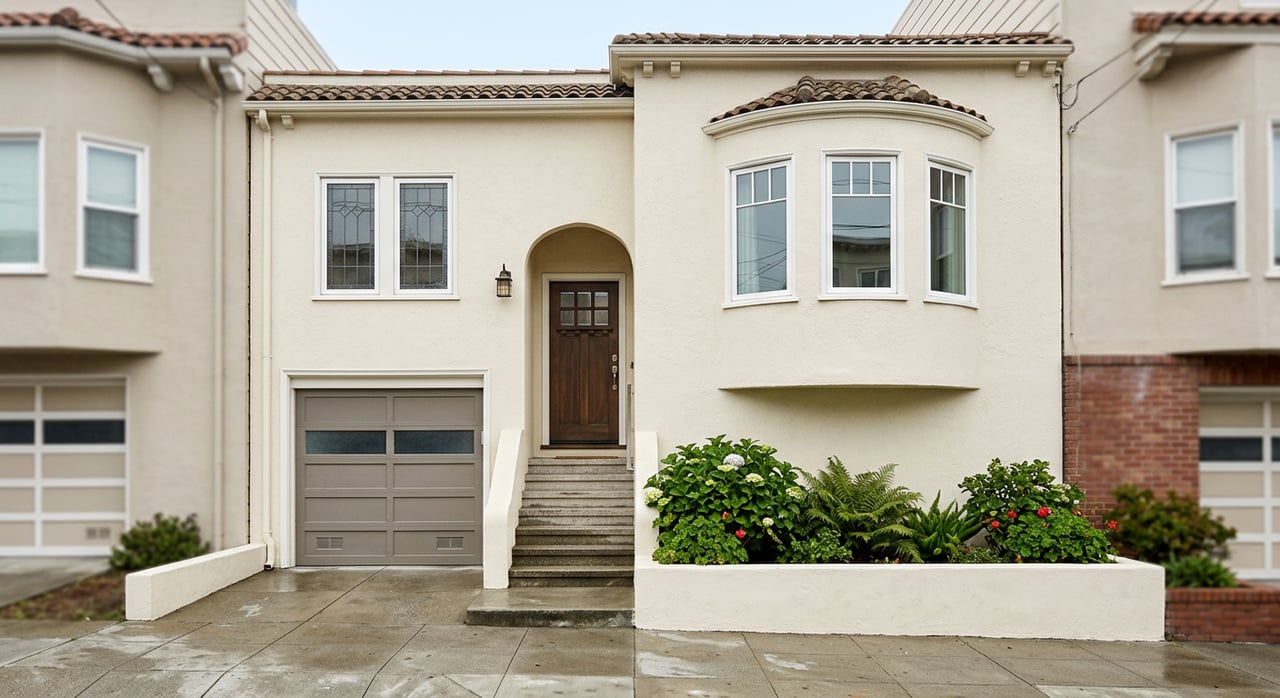
Buying your first single-family home on San Francisco’s west side can feel like a big leap. You want more space, a garage, maybe a yard, but you also want a smart, realistic plan. This guide gives you clear price context, what to expect from older Sunset and Parkside homes, the inspections that matter, and how transit, parking, and fog shape daily life. You’ll walk away knowing what “starter home” really means here and how to move forward with confidence. Let’s dive in.
Why Sunset and Parkside appeal
Sunset and Parkside sit between Golden Gate Park and the Pacific. You usually get more privacy, some outdoor space, and often a garage compared to many central-city condos. The vibe is residential with neighborhood retail along Judah, Irving, Noriega, Taraval, and 19th Avenue.
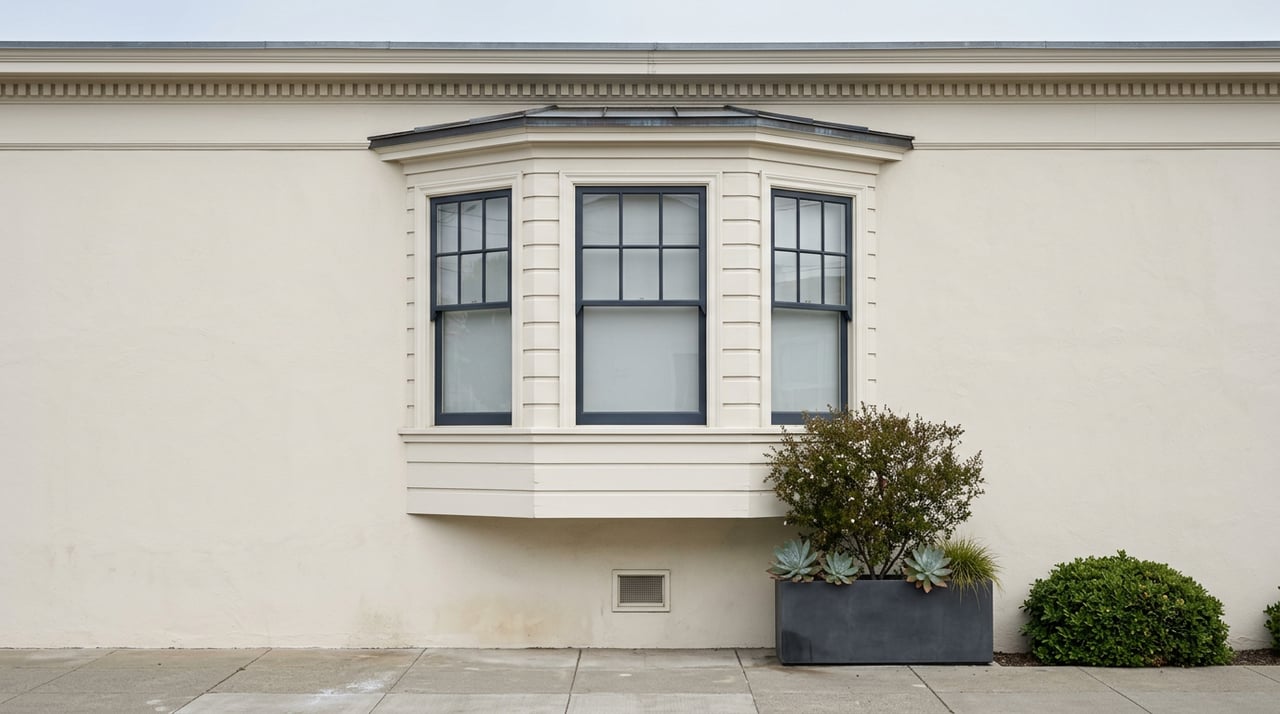
Most homes date from the 1920s to 1940s. You’ll see tunnel-entry layouts, 2 to 3 bedroom stucco houses, and attached rowhomes. Condition ranges from fixers to fully renovated. Sunlight, wind, and yard usability can vary block by block.
Fog is part of daily life, especially in the Outer Sunset. The National Weather Service explains that San Francisco’s coastal marine layer brings cooler temps and higher humidity on the west side, especially in summer. If you are new to the area, it helps to understand how this pattern works using the National Weather Service’s overview of the local marine layer and microclimates. You can review the agency’s explanation of San Francisco fog for a quick primer on the basics at the National Weather Service’s microclimate overview.
Starter-home price bands
Recent neighborhood snapshots show the Sunset District median single-family sale price around the high seven figures. Redfin’s latest neighborhood report placed the Sunset median near $1.88M. Parkside trends a bit lower, with some recent Realtor.com snapshots around $1.6M for median sale or list price. Medians shift over time and by data source, so use them as directional context rather than a price quote for a specific home.
For first-time buyers, here is a practical framework:
- Small single-family fixers in Sunset/Parkside typically land in the $1.1M–$1.9M range depending on size, lot, and condition. Sales under $1M are rare in current snapshots.
- Move-in ready 2 to 3 bedroom single-family homes often run $1.6M–$2.5M+ based on renovation level and yard/parking.
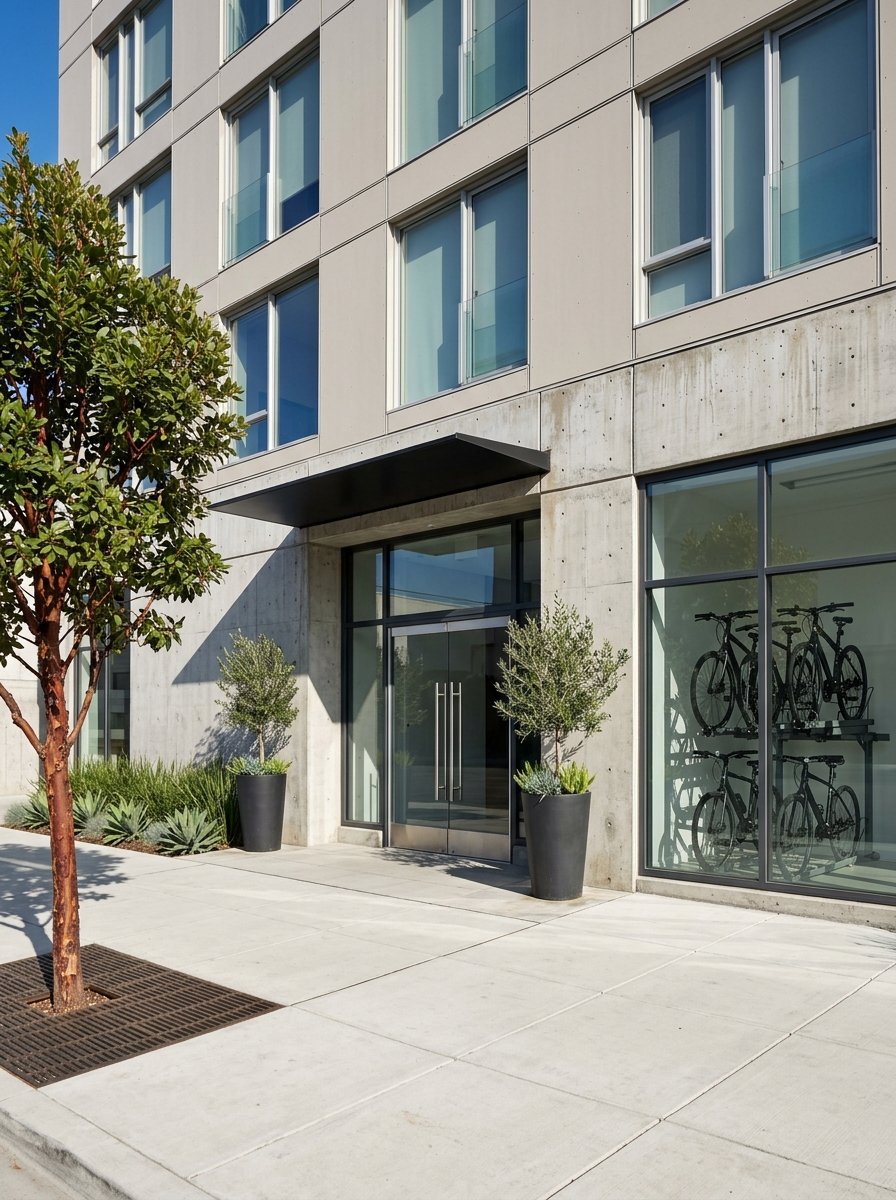
- For comparison, central-district condos can have much lower medians depending on building and amenities. A mid-2025 Prism Group sample showed a SoMa condo median around $700k. That price gap is the tradeoff for more privacy, a yard, and a garage.
Bottom line: Sunset and Parkside deliver single-family living, but you should plan for a higher purchase price than many central condos, plus ongoing maintenance that condos often shift to the HOA.
Home types and condition to expect
Most westside homes are early-to-mid 20th century builds with classic details and compact footprints. Expect 2 to 3 bedrooms, a garage at street level, and living space above. Many layouts include bonus rooms or storage areas that may or may not be permitted living space. Always check the permit record.
Microclimate and maintenance basics
The marine layer brings cooler, damp conditions that affect exterior paint cycles, wood durability, and overall home ventilation. North-facing walls, bathrooms, attics, and crawlspaces can be more prone to condensation. If you plan on solar, the west side can see fewer high-output hours than sunnier central neighborhoods. A site-specific shade and production study is important. For a quick orientation to microclimates and solar expectations across San Francisco, read this local buyer-friendly microclimate guide.
Inspections and permits to prioritize
Because many Sunset and Parkside homes are older, a thorough due diligence plan is essential. Start with San Francisco’s Report of Residential Building Record, known as the 3R. This city report summarizes building permits and can flag unpermitted work. You can learn how to request and interpret it using the city’s page on the 3R report request process.
Here are the inspection items most first-time buyers should consider:
- Termites and wood-destroying organisms. The coastal climate and older wood framing can invite termites and dry rot. A WDO inspection is common in Bay Area transactions. The University of California’s entomology resource outlines regional termite and wood decay issues in detail. Review the UCR overview of termites and wood decay to understand what inspectors look for.
- Sewer lateral assessment. Legacy pipes can fail and replacement can be costly. San Francisco’s utility guidance explains why proactive maintenance matters. See the SFPUC’s note on protecting sewer pipes and homeowner responsibilities at the SFPUC’s sewer pipe guidance. Local reporting has also shared typical replacement cost ranges, which can run into the several-thousand to low-ten-thousand dollar range depending on scope. For local context, read the SF Chronicle’s sewer lateral cost explainer.
- Moisture and ventilation checks. Given the marine layer, consider a moisture or thermal imaging scan in addition to a general inspection. Look closely at attics, basements, bathrooms, and exterior penetrations.
- Electrical and heating. Many pre-1950s homes still have outdated panels or wiring. Plan for upgrades if your inspector notes capacity or safety concerns.
If the 3R report reveals unpermitted work, speak with the listing agent and the city’s Department of Building Inspection about possible remedies or retroactive permits. Clarify responsibilities and costs before you remove contingencies.
Transit, parking, and daily logistics
If you rely on public transit, map your exact walk to rail or bus lines during commute hours. The Inner Sunset connects to downtown via the N Judah Muni Metro. You can review route and service details on the N Judah line page. Parkside is served by the L Taraval rail corridor and multiple bus routes such as the 28 and 29. SFMTA’s Parkside page offers a helpful neighborhood transit snapshot at the SFMTA Parkside neighborhood page.
Parking can be easier on the west side than in many central districts, but it varies by block. Many homes include a garage or driveway. If you plan to park on the street, review San Francisco’s Residential Parking Permit program rules early. You can confirm eligibility and application steps at the SFMTA Residential Parking Permit page.
Financing and assistance options
With most Sunset and Parkside single-family homes in the seven-figure range, plan for a larger down payment and monthly carry than a central-city condo. That means mortgage, property tax, utilities, and ongoing maintenance. On the tax side, review San Francisco’s current information with the Treasurer & Tax Collector as part of your planning.
If you qualify, San Francisco’s Mayor’s Office of Housing and Community Development offers down payment assistance through programs like DALP. These programs have income and purchase-price limits and require homebuyer education and pre-approval steps. Start with the city’s summary of the Downpayment Assistance Loan Program to understand timelines and eligibility, then speak with an approved lender to map out next steps.
State-backed options, including CalHFA programs, open at specific funding windows and have their own rules. These can sometimes be layered with certain first mortgages, but availability changes. Build your plan with your lender early so you can act quickly when the right home appears.
Single-family vs central condo tradeoffs
- Price vs space. Many central condos offer a lower entry price, especially in buildings without high-end amenities. Westside single-family homes cost more, but you gain privacy, a yard, and off-street parking.
- Maintenance vs HOA dues. In a single-family home, you budget for roofing, exterior paint, drainage, and yard care. Condos shift exterior maintenance to the HOA, but you pay monthly dues and should watch for special assessments.
- Commute and lifestyle. Central condos can shorten downtown commutes and maximize walkability. Sunset and Parkside put you closer to the ocean, parks, and quieter streets, but you should test commute times during peak hours.
First-time buyer checklist
Use this as a quick action plan while you tour westside homes:
- Ask for the property’s 3R report before inspections and review permit history using the city’s 3R request guidance.
- Add termite/WDO, sewer lateral video, and moisture/thermal scans as contingencies. For background, read the UCR summary on WDO risks and the SFPUC’s sewer pipe guidance.
- Confirm whether the home is in a Residential Parking Permit zone and how many permits your household can obtain on the SFMTA RPP page.
- Get contractor estimates for any near-term items your inspector flags, like roof work, drainage improvements, insulation, or panel upgrades.
- If you need assistance, review MOHCD’s DALP program overview early and confirm timelines with an approved lender.
Thinking about moving from a central condo or renting into a Sunset or Parkside single-family? Let’s make a plan that fits your budget, timeline, and lifestyle. When you are ready, schedule a free consultation with Russell Pofsky to map your next steps with clear pricing, inspection strategy, and block-by-block guidance.
FAQs
What does a first-time buyer budget look like for Sunset or Parkside?
- Most single-family homes land between roughly $1.1M–$2.5M+ depending on size and condition. Plan for mortgage, property tax, utilities, and a maintenance reserve.
Which inspections matter most for older Sunset homes?
- Prioritize a general inspection plus WDO/termite, sewer lateral video, and moisture/thermal scans. Verify permit history with the city’s 3R report process.
How does westside fog affect home maintenance and solar potential?
- The marine layer raises moisture and reduces solar hours compared with sunnier central neighborhoods. Review site-specific solar estimates and stay ahead on ventilation, exterior paint, and sealing. The National Weather Service overview explains why fog is common here.
What are the main transit options for Inner Sunset and Parkside?
- The N Judah serves the Inner Sunset, and L Taraval plus bus routes like 28 and 29 serve Parkside. Check the N Judah details and the SFMTA Parkside page for routes and stops.
How do Sunset single-family homes compare with SoMa condos on cost?
- Westside single-family homes usually carry higher purchase prices than many SoMa condos. A recent SoMa condo median sample was about $700k, while Sunset single-family medians were around the high seven figures.
What is San Francisco’s 3R report and why does it matter to buyers?
- The 3R is the city’s Report of Residential Building Record. It lists permit history and can flag unpermitted work. Request it early using the city’s 3R guidance.