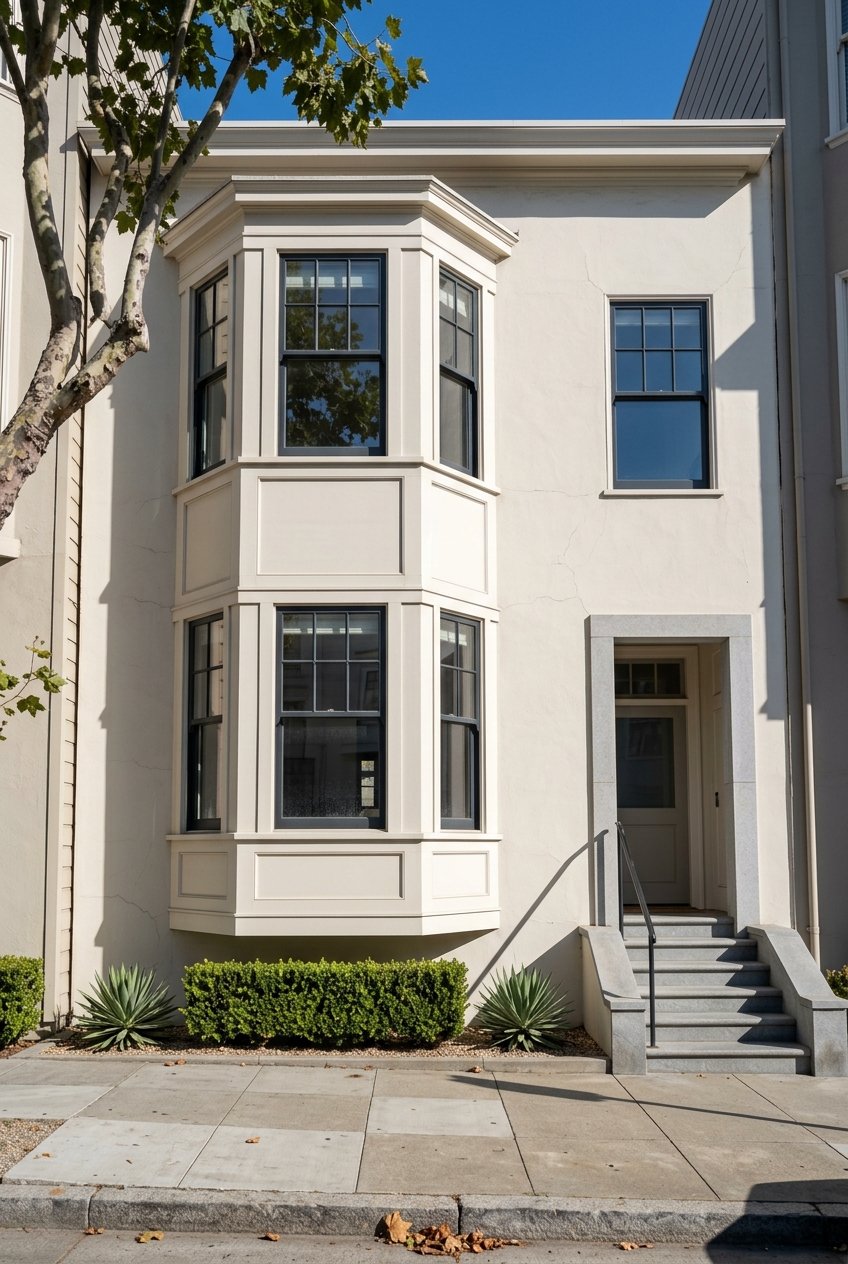
If you want a San Francisco neighborhood that feels polished, lived-in, and unmistakably local, Cow Hollow often lands high on the list. You may be looking for a place that gives you walkable shops, classic architecture, and easy access to outdoor space without the feel of a high-rise district. This guide will help you understand what day-to-day life in Cow Hollow is really like, from the streetscape and housing stock to errands, parks, and getting around. Let’s dive in.
Cow Hollow at a Glance
Cow Hollow has a distinctly residential feel, but it is not sleepy. San Francisco planning materials describe it as a low-rise neighborhood with tree-lined streets, a traditional grid, and a hillside setting that creates visual variety from block to block.
That topography matters more than you might expect. Some streets feel flatter and easier for errands on foot, while others bring more elevation, broader views, and a stronger sense of classic San Francisco layering. Depending on where you are, your outlook may include the Bay, the Presidio, the Marina District, the Palace of Fine Arts, or even Marin County.
Another part of daily life here is the microclimate. Sun, fog, and wind can shift noticeably across the neighborhood, so one block may feel bright and calm while another feels cooler or breezier.
The Neighborhood Feel
Cow Hollow feels urban, but not tower-heavy. The neighborhood is mostly made up of older, low-rise buildings, which gives it a more intimate scale than parts of San Francisco dominated by larger development.
That lower-profile streetscape is a big part of the appeal. You get a city environment with activity and convenience, but the surrounding residential blocks still feel grounded and visually cohesive.
For many buyers, that balance is the draw. Cow Hollow offers a city lifestyle with neighborhood character, rather than a more vertical, dense experience.
Union Street Shapes Daily Life
If you live in Cow Hollow, Union Street will likely become part of your routine. It is the neighborhood’s main commercial corridor and serves local residents with convenience goods, specialty shops, restaurants, bars, and other neighborhood-serving businesses.
In practical terms, that means many day-to-day errands can happen close to home. Coffee, casual dining, services, boutique retail, fitness options, and other basics are concentrated in a walkable stretch.
Union Street also gives the area energy beyond daytime errands. The mix of restaurants, bars, and active storefronts helps keep the corridor lively into the evening, while nearby side streets remain mostly residential.
What Errands and Dining Feel Like
One of Cow Hollow’s strengths is that it supports a neighborhood lifestyle without feeling isolated. SF.gov highlights the Union Street district for its historic Victorian setting and its mix of shops, services, restaurants, gyms, cycle shops, yoga and spa businesses, boutiques, and coffee shops.
That creates a daily rhythm that is easy to picture. You can step out for a coffee, handle a few errands, meet friends for dinner, or fit in a workout without needing to leave the neighborhood core.
For buyers who value convenience, this matters. Cow Hollow is well-suited to people who want a walkable pattern for everyday life, even if they still use transit or a car for other parts of the city.
Parks and Outdoor Access
Cow Hollow is not just about storefronts and housing. It also offers access to both neighborhood green space and larger outdoor destinations nearby.
Within the neighborhood, Cow Hollow Playground provides a small, tree-covered park close to Union Street. SF Rec & Park describes it as a quiet hidden jewel, which fits the scale of the area well.
For more active recreation, Moscone Rec Center adds a broader mix of facilities. It offers tennis, pickleball, ball diamonds, an indoor basketball gym, and other recreation amenities.
Marina Green is another nearby option for open grass space and casual outdoor time. If you like the idea of balancing city living with room to move around outside, Cow Hollow gives you solid options close by.
Bigger Open Spaces Nearby
One reason Cow Hollow stands out is how easily it connects to some of San Francisco’s best-known outdoor areas. You are close to places that can support a quick walk, a longer weekend outing, or a scenic reset after work.
Fort Mason’s Great Meadow offers paved accessible trails, picnic and walking space, and views toward the Golden Gate Bridge. Presidio Tunnel Tops adds a 14-acre park experience centered on nature, play, and wide views.
Crissy Field brings a promenade, beaches, tidal marsh, and expansive bay scenery. The broader Presidio adds even more trails, events, and open-space access.
For many residents, this is a major quality-of-life advantage. Cow Hollow puts you near an active commercial street while also keeping major waterfront and park destinations within easy reach.
Getting Around Cow Hollow
Transportation in Cow Hollow tends to be more about walking and bus service than rail. SFMTA lists several Muni lines serving the broader Marina and Cow Hollow area, including the 22 Fillmore, 30 Stockton, 41 Union, 45 Union/Stockton, 47 Van Ness, and 49 Van Ness/Mission.
That service pattern supports a neighborhood lifestyle where you may walk for local errands and use Muni buses for trips to other parts of the city. It is a practical setup for people who want city access without relying on a rail-centered commute.
As with many San Francisco neighborhoods, your exact experience depends on your block. Proximity to Union Street, hill grade, and route access can shape how convenient day-to-day movement feels.
Cow Hollow Housing Stock
Cow Hollow’s housing is varied, but the overall scale stays low-rise. Planning documents describe larger detached homes on higher blocks, one- and two-family attached homes on smaller lots across much of the neighborhood, and multifamily buildings on corner lots and lower-elevation blocks.
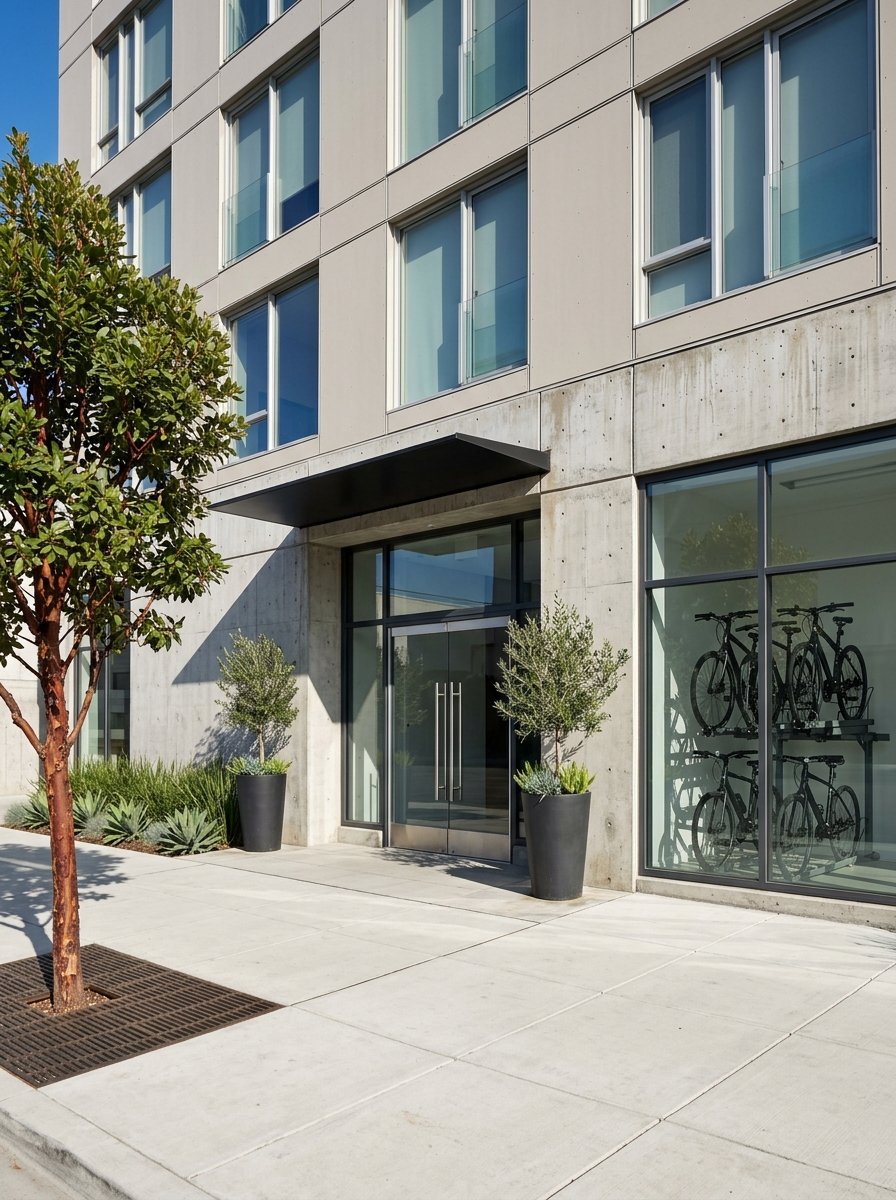
Most buildings are two or three stories. That gives the area a more established and human-scale feel than neighborhoods with larger residential towers or newer large-format development.
For buyers, this means inventory can span different property types. Depending on the block, you may find anything from a larger house to a smaller attached home or a multifamily-style residence in a building with classic San Francisco character.
Architecture Defines the Area
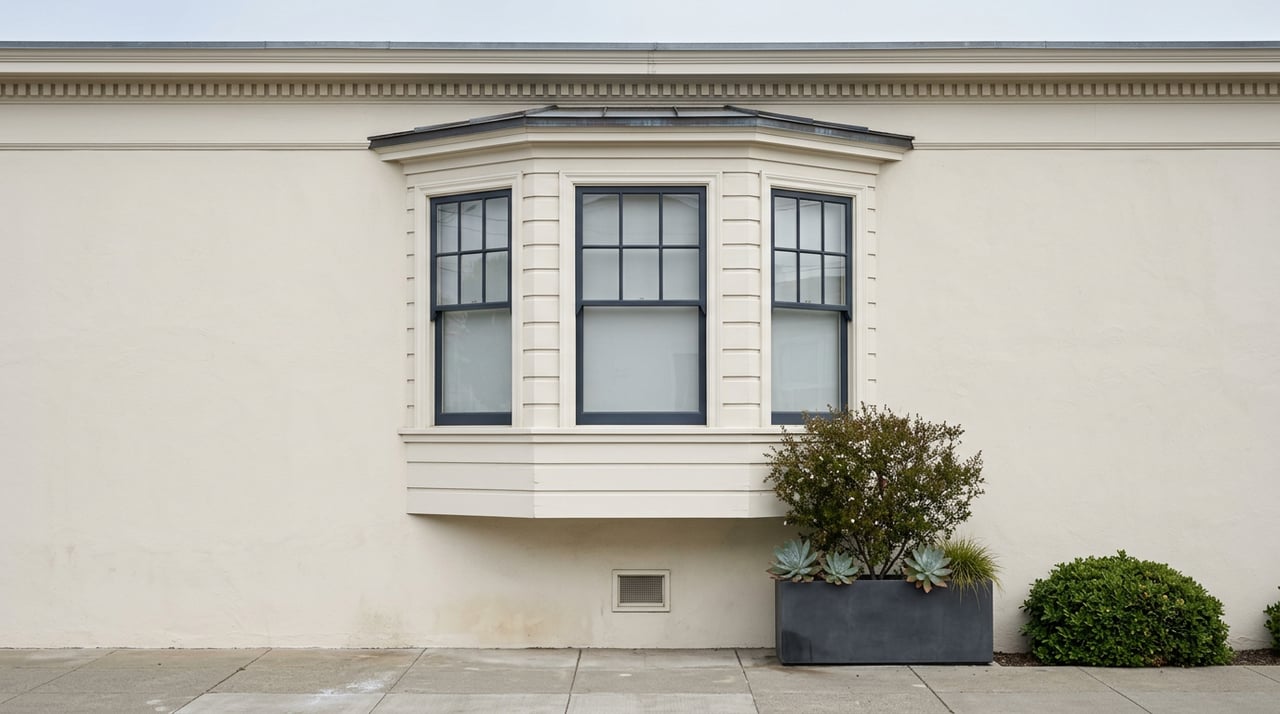
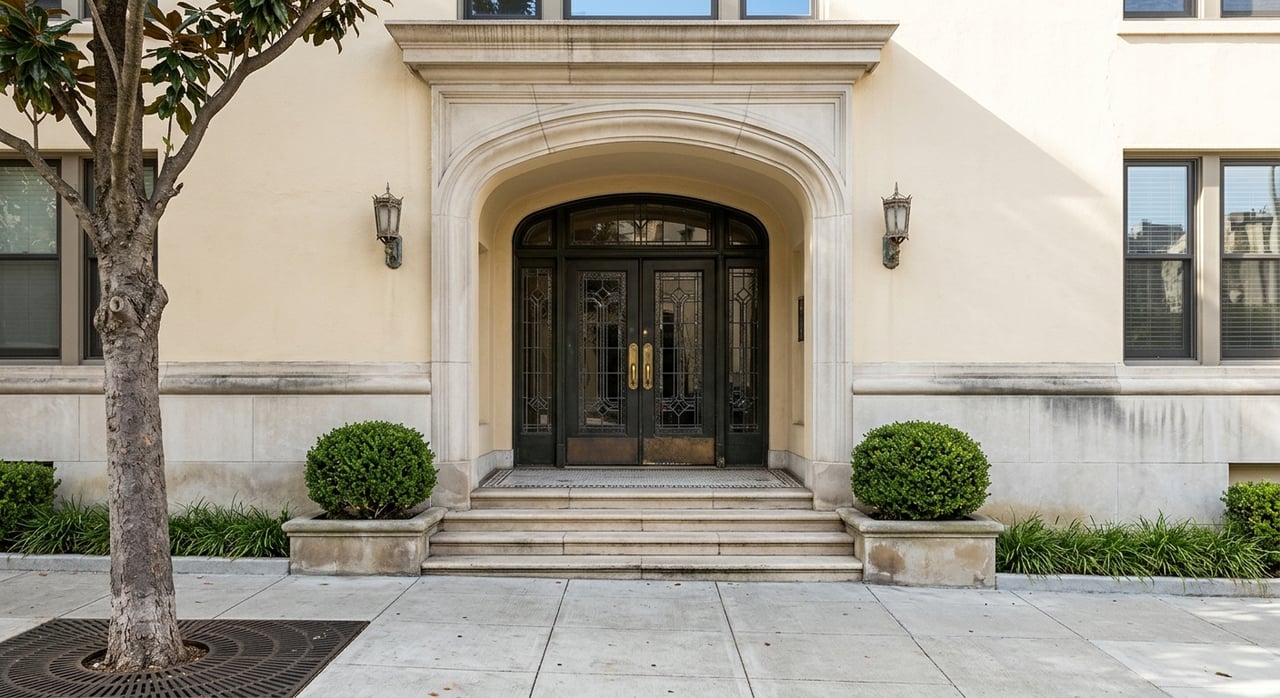
A big part of Cow Hollow’s identity comes from its architecture. Much of the housing dates to the late 19th and early 20th centuries, and planning guidelines note styles such as Stick-Eastlake, Queen Anne, Edwardian, Mediterranean, Mission, Romanesque Revival, Tudor, and California Craftsman.
That range creates visual richness without making the neighborhood feel disjointed. Instead of reading as newly built, Cow Hollow tends to feel historic, layered, and well-kept.
If you are drawn to older San Francisco housing stock, this is one of the neighborhood’s strongest selling points. The architecture gives many blocks a sense of permanence and personality that is hard to replicate.
Who Cow Hollow Often Appeals To
Cow Hollow is often a good fit if you want classic San Francisco architecture, neighborhood retail close to home, and quick access to parks and waterfront open space. It offers an urban lifestyle, but in a mostly residential-scale setting.
That combination can be especially appealing if you want activity nearby without living in a high-rise environment. You get a lively commercial spine, low-rise housing, and outdoor access in a neighborhood that feels established rather than newly created.
For buyers comparing San Francisco micro-markets, Cow Hollow often stands out for its balance. It combines convenience, character, and a strong sense of place.
What to Keep in Mind
No neighborhood feels exactly the same from one block to the next, and Cow Hollow is a good example of that. Hillside position, views, wind, sun exposure, and distance to Union Street can all shape your experience.
That is why it helps to look beyond the neighborhood name alone. The right fit often comes down to how a specific block, building type, and daily routine line up with what you want most.
If you are considering a move to Cow Hollow, it helps to evaluate both lifestyle and property details together. In a neighborhood with varied housing and distinct block-by-block personality, local context matters.
If you want practical guidance on buying or selling in Cow Hollow or another central San Francisco neighborhood, Russell Pofsky offers hands-on, neighborhood-focused advice to help you make a confident move.
FAQs
What is the overall feel of living in Cow Hollow?
- Cow Hollow feels urban and walkable, but mostly low-rise and residential in scale, with tree-lined streets, hillside blocks, and classic San Francisco architecture.
What is Union Street like in Cow Hollow?
- Union Street is the neighborhood’s main commercial corridor, with convenience goods, specialty shops, restaurants, bars, fitness businesses, services, and coffee shops that support daily errands and evening activity.
What parks are near Cow Hollow in San Francisco?
- Nearby outdoor options include Cow Hollow Playground, Moscone Rec Center, Marina Green, Fort Mason, Presidio Tunnel Tops, Crissy Field, and the broader Presidio.
What types of homes are in Cow Hollow?
- Cow Hollow includes larger detached homes on higher blocks, one- and two-family attached homes across much of the neighborhood, and multifamily buildings on some corner lots and lower-elevation blocks.
Is Cow Hollow a high-rise neighborhood?
- No. Cow Hollow is predominantly a low-rise neighborhood, with most buildings described as two or three stories.
How do you get around Cow Hollow?
- Many residents use a mix of walking and Muni bus service, with routes including the 22 Fillmore, 30 Stockton, 41 Union, 45 Union/Stockton, 47 Van Ness, and 49 Van Ness/Mission.