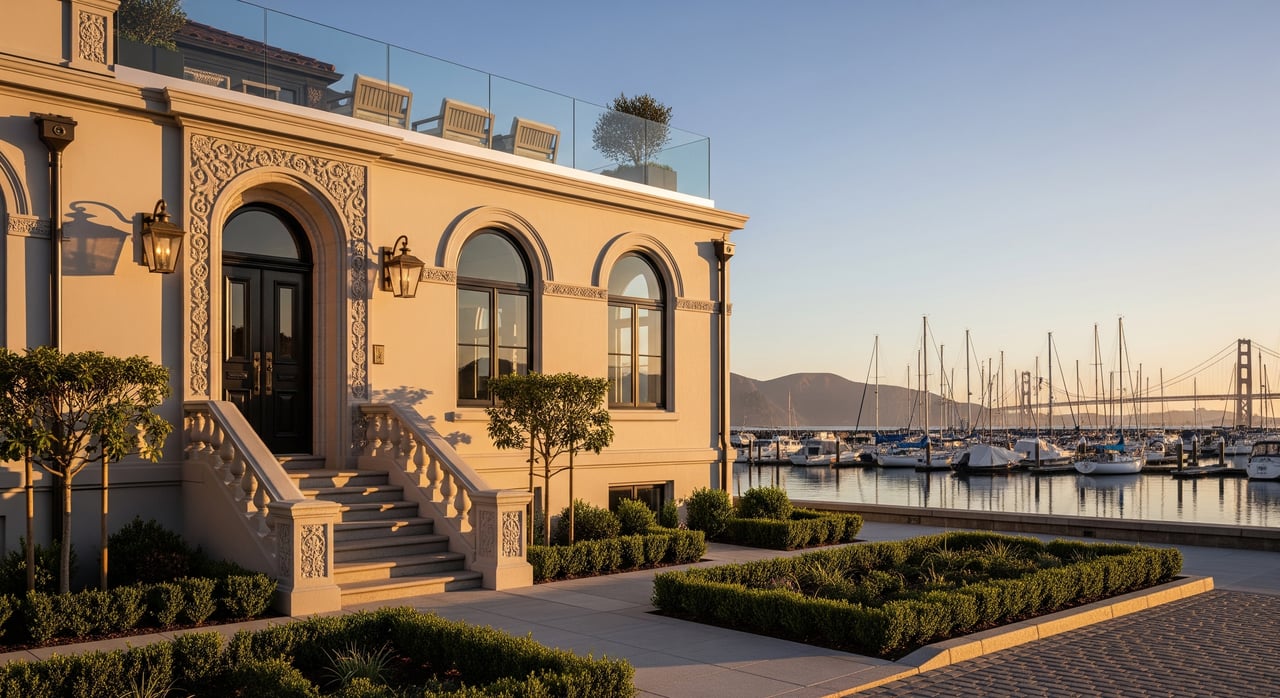
Eyeing the Marina District for your next place in San Francisco? You want scenic waterfronts, walkable blocks, and a commute that fits your day. This guide gives you a clear look at homes, amenities, and typical travel times so you can decide if 94123 matches your lifestyle and budget. You will also get practical tips on parking, HOAs, and building due diligence. Let’s dive in.
Quick neighborhood snapshot
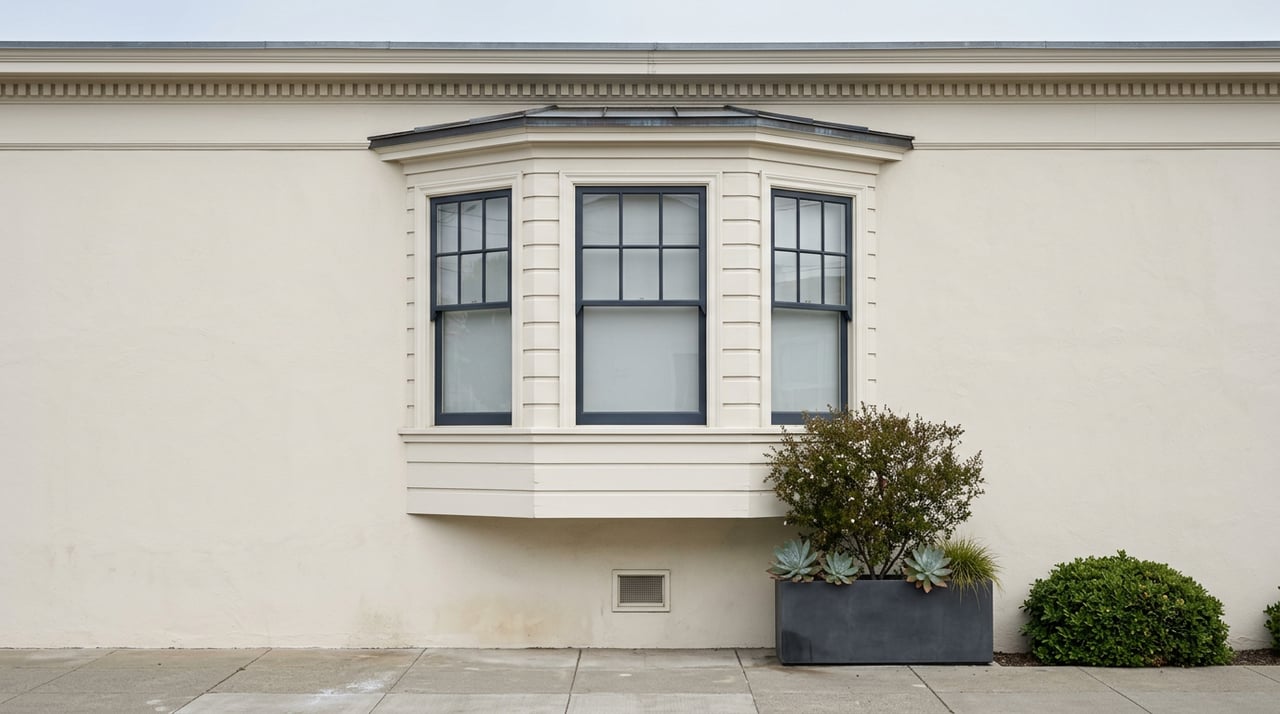
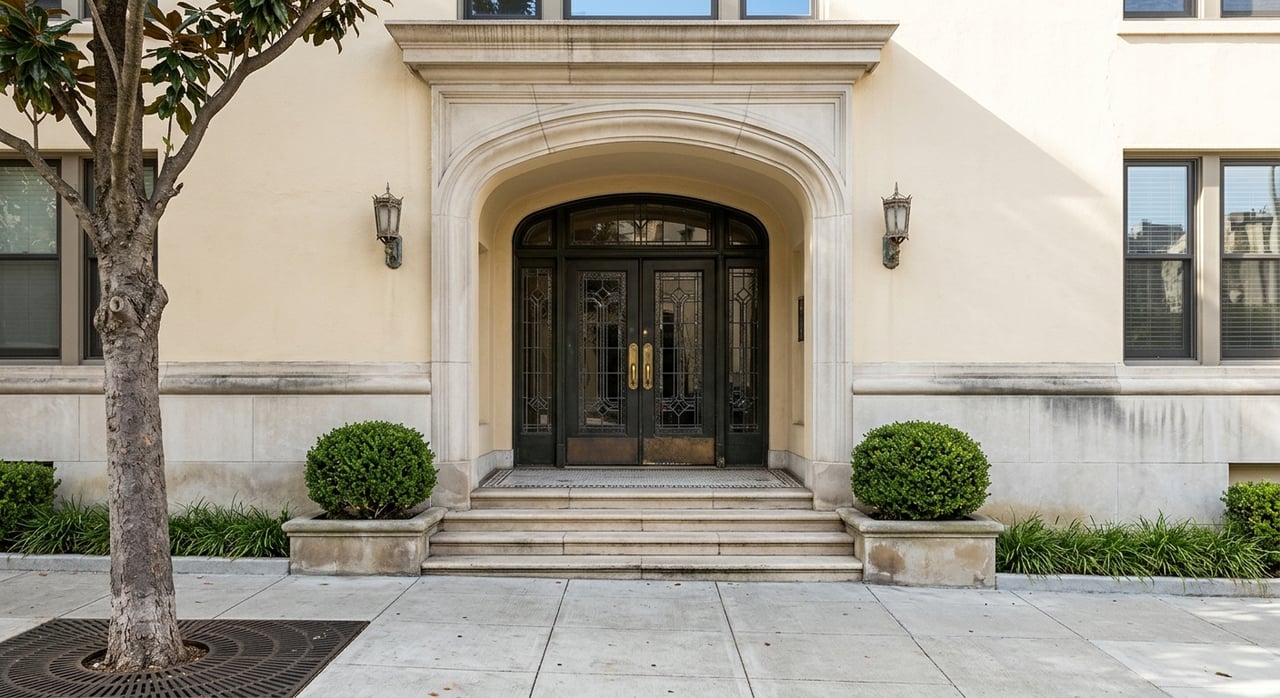
The Marina District sits along the northern waterfront of San Francisco within ZIP 94123, with Chestnut Street as its main commercial corridor and the Marina Green and Crissy Field framing daily outdoor life. Most buildings are low to mid rise, many from the early 20th century, with a mix of vintage walk ups, boutique condo conversions, and a few newer infill buildings. You can confirm high level neighborhood stats through the U.S. Census American Community Survey for ZIP 94123 if you want deeper demographic context.
The feel is active and outdoorsy. You will find cafés, fitness studios, and services clustered along Chestnut and nearby Union Street, plus easy access to the water. Weekends and evenings can be lively near bars and waterfront spots, while blocks farther from Chestnut are generally quieter.
Homes and prices in 94123
What you will find
- Condos and co ops in Edwardian or Art Deco era buildings
- Flats and apartments from studio to 3 bedrooms
- A smaller share of single family homes and townhouses, often at higher prices on the western and southern edges
- Periodic renovated or new condo conversions, though most inventory is older low rise stock
Ownership and rental mix
The Marina has a strong rental market alongside owner occupied condos and co ops. Many buildings are investor friendly, but short term rental activity varies and is regulated by the city. If you plan to rent later, verify current rules for short term and long term rentals before you buy.
What your budget may buy
- Condos and co ops: many 1 bedroom units often land in the high $700k to $1.5M band depending on size and condition. Larger 2 and 3 bedroom condos commonly range from about $1.2M to $3M or more.
- Rentals: 1 bedrooms have recently asked about $2,800 to $4,500 per month, and many 2 bedrooms run roughly $3,800 to $6,500 per month. Higher end units and single family homes command more.
Market conditions change, so check current data from the Redfin Data Center and Zillow Research to gauge trends before you tour.
HOA fees, parking, and building amenities
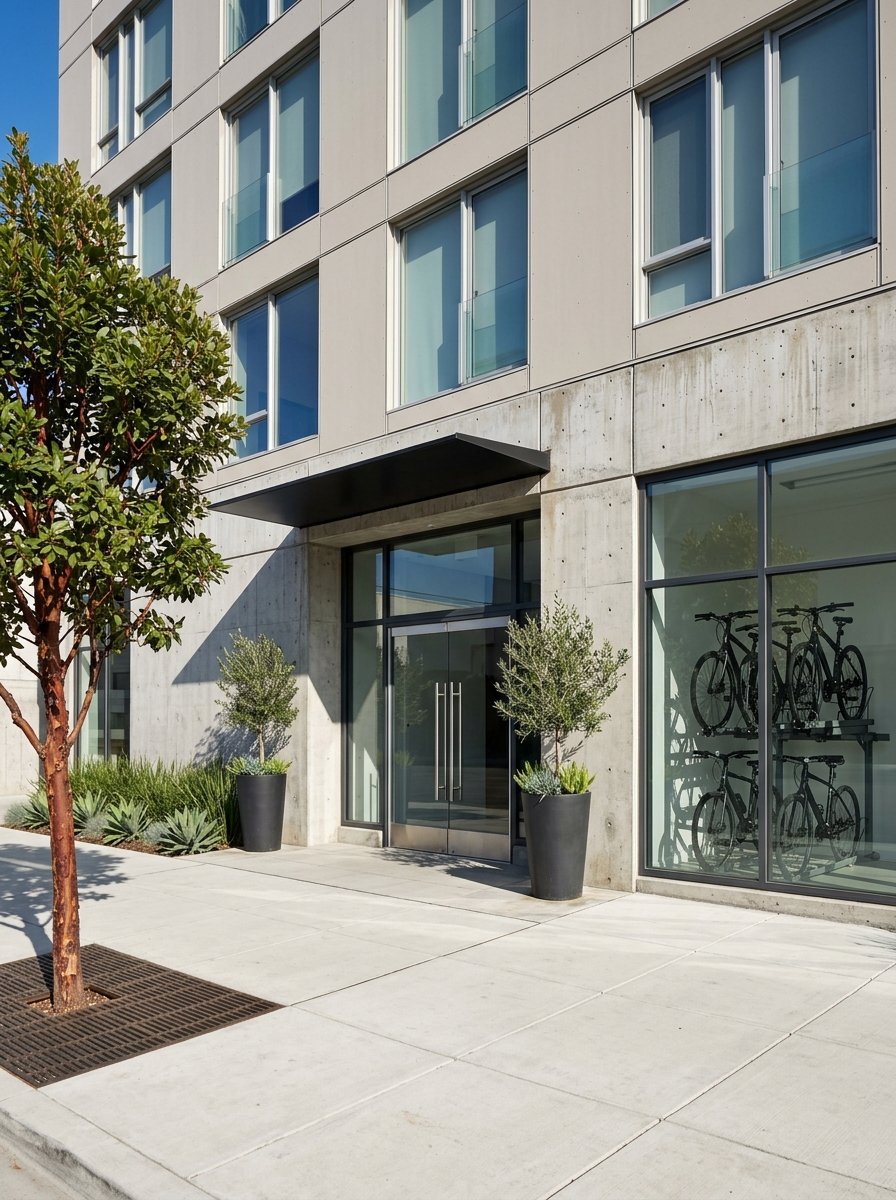
Parking is a key variable. Some condos include deeded spaces, while many do not. Street parking is regulated and can be tight. HOA dues vary widely, often from the hundreds into the low thousands per month depending on building size, services, reserves, and insurance. Older walk ups may have limited amenities, while newer or larger buildings are more likely to offer bike storage, secure entries, or fitness rooms.
Financing and resale factors
Older co op structures and some non warrantable condos can affect loan options, so confirm eligibility with your lender early. HOA financials and seismic retrofit status matter for both financing and long term value. Review building reserves, recent assessments, and planned work before you write an offer.
Buyer and renter due diligence checklist
- Confirm if the unit includes deeded parking and review HOA parking rules
- Review HOA budgets, reserves, recent or pending assessments, and seismic retrofit status
- Check elevator access versus walk up and overall building accessibility
- Ask about short term rental activity in the building or nearby
- Do a door to door commute test at peak and off peak times
- Walk the area at different hours to gauge noise, crowds, and your comfort with the vibe
Daily life and amenities
Walkability and shopping
The Marina is highly walkable for everyday needs. Chestnut Street concentrates cafés, restaurants, boutiques, fitness studios, and services, with more options along nearby Union Street. For a current snapshot of walkability, you can review the Marina District on Walk Score and compare blocks that interest you.
Parks and waterfront
- Marina Green: a wide waterfront lawn popular for jogging, kite flying, and Golden Gate Bridge views, with direct trail access.
- Crissy Field: expansive trails, beach space, and picnic areas managed by the Presidio Trust and National Park Service. Explore maps and updates on the Crissy Field page.
- Palace of Fine Arts and Fort Mason: cultural landmarks and event spaces near the water.
Find more city park details through the San Francisco Recreation and Park Department.
Environmental notes
The Marina’s microclimate is often sunnier than the city’s west side, but wind can pick up on the water. Fog still rolls in seasonally. Since parts of the neighborhood sit on historic fill, ask about foundation type and retrofit work when evaluating buildings. For guidance on retrofit programs and standards, review the San Francisco Department of Building Inspection’s seismic resources.
Commutes and getting around
Your transit options
- Muni buses serve the Marina and connect to Downtown and Market Street hubs. Routes and frequencies change, so use the SFMTA trip planner for current schedules.
- There is no BART station in the Marina. The closest BART stops are Downtown, reachable by Muni, rideshare, or car. See system info at BART.
- The nearest Caltrain station is 4th and King. Reaching it usually requires a bus connection or car. Check schedules at Caltrain.
- Ferries primarily serve Marin County from nearby piers. Confirm routes and times with Golden Gate Ferry.
- Many residents bike or e bike for short trips and first or last mile connections.
Typical commute time ranges
Actual times vary by hour and traffic. Use these as planning ranges, then test your route.
- Financial District or Embarcadero: 10 to 30 minutes driving off peak, 20 to 40 plus minutes at peak. Muni is often 25 to 45 minutes door to door.
- SoMa: 20 to 35 minutes driving off peak, about 25 to 50 minutes on transit depending on transfers.
- South Bay and Peninsula hubs like Palo Alto, Mountain View, and Redwood City: 40 to 75 plus minutes by car during commute hours. Caltrain with a Muni connection is often 60 to 90 plus minutes door to door.
- South San Francisco and mid Peninsula: about 30 to 60 plus minutes by car depending on traffic, or similar times with transit and transfers.
- East Bay destinations like Oakland or Berkeley: 30 to 60 plus minutes by car, or 45 to 75 plus minutes with Muni to BART.
- Marin County: 20 to 40 minutes driving including the Golden Gate Bridge, with ferry options depending on schedule.
A simple commute test you can try
- Morning to the Financial District: Walk to Muni, ride to Market Street, then a short walk to your office. Aim for a 25 to 45 minute total.
- Evening home from SoMa: Rideshare to 4th and King after Caltrain, then a quick bus or bike to your block. Plan for 35 to 55 minutes.
- South Bay day trip: Muni to Caltrain in the morning, express train south, then shuttle or bike at the destination. Plan for 60 to 90 plus minutes each way.
Pros and cons to consider
Pros
- Direct access to Marina Green, Crissy Field, and the waterfront
- Strong walkability to dining, cafés, fitness, and services
- Distinct neighborhood identity and often sunnier microclimate
Cons
- Premium pricing and higher cost per square foot than many areas
- Limited parking in many buildings and on street
- Visitor activity near the waterfront and Chestnut Street can add noise and crowds
- Longer multimodal commutes for many South Bay destinations
Is the Marina a fit for you?
Choose the Marina if you value an active outdoor lifestyle, walkable dining and fitness, and scenic waterfront access. Expect compact interiors in many buildings and plan for HOA dues and potential parking trade offs. If your commute is South Bay heavy, a hybrid plan that mixes driving, Caltrain, or flexible hours may serve you better than a fixed rail expectation.
If you are early in your search, visit on a weekday morning and a weekend evening to get a feel for commute times, noise, and crowd levels. Then compare HOA budgets, parking, and retrofit history across a few buildings to understand value differences at your price point.
How a local advisor helps
You will make faster, clearer decisions with up to date pricing, HOA and parking details, and a reality check on commute options. If you want guidance on neighborhoods, financing considerations for condos and co ops, and practical offer strategy, connect with Russell Pofsky to talk through your goals.
FAQs
What housing types are most common in the Marina District?
- Condos and co ops in older low to mid rise buildings dominate, with a smaller share of single family homes on the edges of the neighborhood.
How walkable is the Marina for daily errands and dining?
- It is highly walkable around Chestnut and nearby Union Street, with many cafés, restaurants, boutiques, and services within a short stroll.
What commute times should I expect from 94123 to major job centers?
- Plan for roughly 25 to 45 minutes to Downtown by Muni, 20 to 35 minutes driving to SoMa off peak, and 60 to 90 plus minutes to South Bay with Caltrain and transfers.
What should I know about HOA fees and parking in Marina condos?
- HOA dues vary widely based on building size and reserves, and many units lack deeded parking, so verify included parking and HOA rules before you offer.
Are there special building or geological considerations in the Marina?
- Parts of the area are built on historic fill, so check foundation type and seismic retrofit status and review guidance from the city’s building department before you commit.